Itu Exhibition Challenges Students to Recreate Almeida Júnior's Art in Charcoal and Pencil
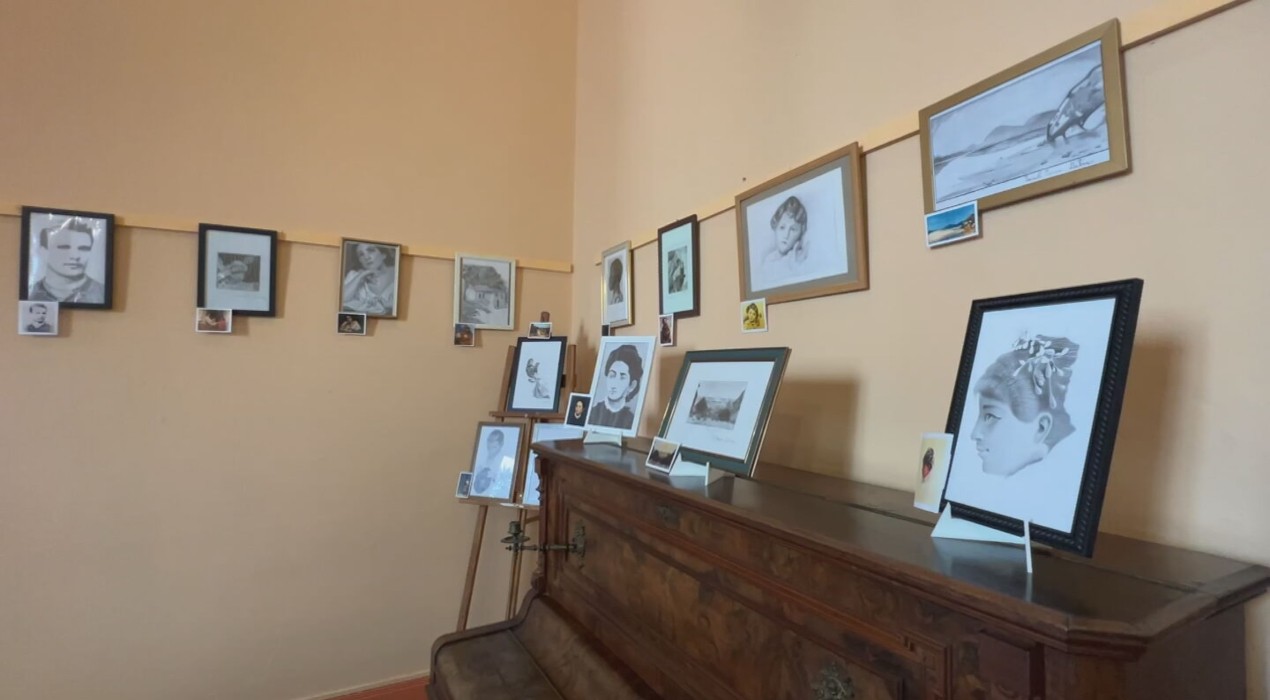
An exhibition titled "Recortes de Almeida" in Itu, São Paulo, is showcasing approximately 40 works by students from the municipal School of Arts (EMIA). The free exhibition, running until September 30th, features student interpretations of paintings by the renowned Brazilian artist José Ferraz de Almeida Júnior. Students were tasked with recreating the painter's colorful classics using only monochrome drawing materials like charcoal and pencil on paper. The exhibition aims to honor Almeida Júnior, a native of Itu, not only for his regional significance but also for his rigorous academic technique, which remains a fundamental basis for aspiring artists. Professor and artist Luciano Luz highlighted that Almeida Júnior's depictions of rural life, particularly the 'homem do campo,' combined with his strong academic foundation, make his work a valuable study for contemporary art students. Notable reinterpretations include "O Violeiro," focusing on light and shadow, and "Caipira Picando Fumo," which explores rural daily life through new graphite versions. The influence of Almeida Júnior extends beyond the exhibition, with muralist Eduardo Kobra recently creating a modern mural inspired by "Caipira Picando Fumo" in Itu. The project has successfully bridged generational gaps, encouraging individuals like 65-year-old Rosana de Napoli to return to drawing after decades, and inspiring young students like Vinícius Inoki to master challenging techniques such as drawing hands, a detail he focused on in his rendition of "O Violeiro."
This exhibition highlights a pedagogical approach that leverages the legacy of a significant regional artist to foster technical skill development and intergenerational engagement in the arts. By focusing on monochrome recreation, the project emphasizes foundational drawing principles such as light, shadow, and texture, rather than color fidelity. This method can be seen as a strategic response to the increasing accessibility of digital art tools, reinforcing the enduring value of traditional artistic disciplines. The initiative also demonstrates how cultural heritage can be activated to inspire contemporary creative expression and community participation, bridging gaps in age and artistic experience through a shared focus on established masters. The project's success suggests a potential model for arts education that balances historical reverence with modern interpretation and skill-building.
AI-generated to prompt reflection — not editorial opinion, not advice, not a statement of fact. How this works.