Ivan Lins' 'Sambadouro' Album: A Masterful Reimagining of His Samba Legacy
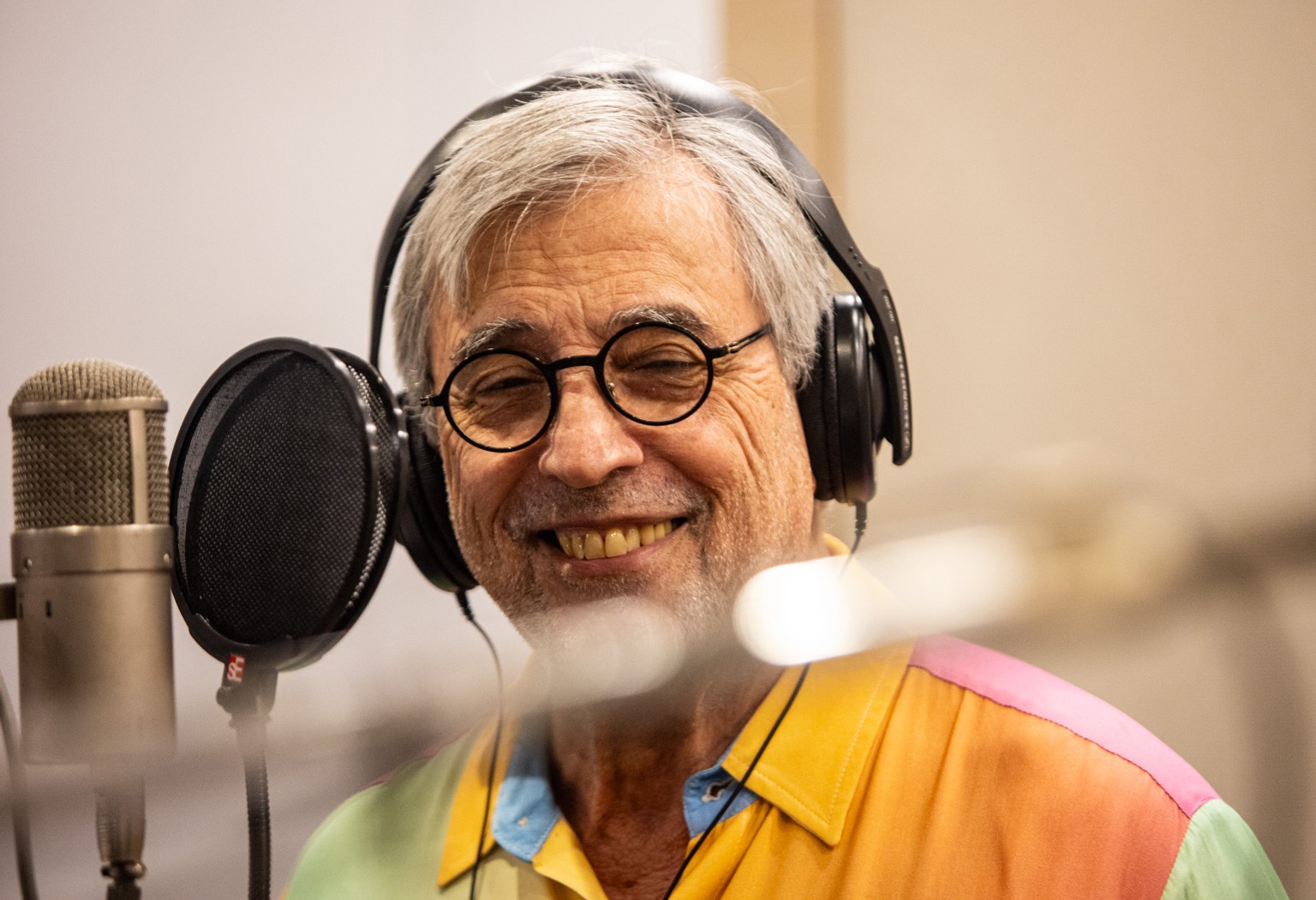
Ivan Lins, the acclaimed 81-year-old Brazilian pianist and composer, has released "Sambadouro," a new album featuring re-recordings of 11 of his original sambas and one new track, "Maravilhado." The album, released on July 24, 2025, was initially conceived to celebrate Lins' 80th birthday and to bridge his samba compositions with the contemporary carioca pagode style. However, early singles suggested this fusion might not fully materialize. Despite Lins' stated intention to emulate the sound of Madureira, a historic samba hub in Rio de Janeiro, his signature samba style, influenced by MPB, bossa nova, soul, and jazz, has always maintained a unique cadence. "Sambadouro" showcases Lins' enduring connection to samba, featuring collaborations with prominent artists such as Zeca Pagodinho, Ferrugem, Diogo Nogueira, Mart'nália, and Xande de Pilares, without compromising his established position in MPB. The album was recorded in May 2025 at Cia. dos Técnicos studio in Rio de Janeiro, with production by Marcus Fernando and arrangements by Rafael dos Anjos. The album's cover art is inspired by a photograph of Tia Ciata, a matriarch of Rio's samba scene. While most tracks are re-recordings, "Maravilhado," a collaboration with Ronaldo Monteiro de Souza, stands out as a contemporary highlight. Other notable tracks include "Sou eu," featuring Mart'nália, and "Porta entreaberta," with Diogo Nogueira. The album also includes a revival of "Não tem perdão" with Péricles and "Parei contigo" with bandolinist Hamilton de Holanda, whose energetic playing evokes Baden Powell's guitar style.
"Sambadouro" demonstrates Ivan Lins' consistent artistic vision, reaffirming his status as a master samba composer even as the music industry navigates significant market shifts. The album's exploration of collaborations with contemporary pagode artists, while not fully altering Lins' established sound, reflects an adaptive strategy to engage new audiences and maintain relevance in the evolving music landscape. This approach highlights the tension between preserving artistic identity and responding to commercial pressures. By reinterpreting his extensive catalog, Lins leverages his legacy to connect with younger generations, a prudent move given the commercial challenges faced by established artists in the digital era. The album's success lies in its ability to honor Lins' unique samba cadence while incorporating diverse musical influences, showcasing a thoughtful balance between tradition and innovation.
AI-generated to prompt reflection — not editorial opinion, not advice, not a statement of fact. How this works.