Ivorian Business Leaders Commit to National Development Plan 2026-2030
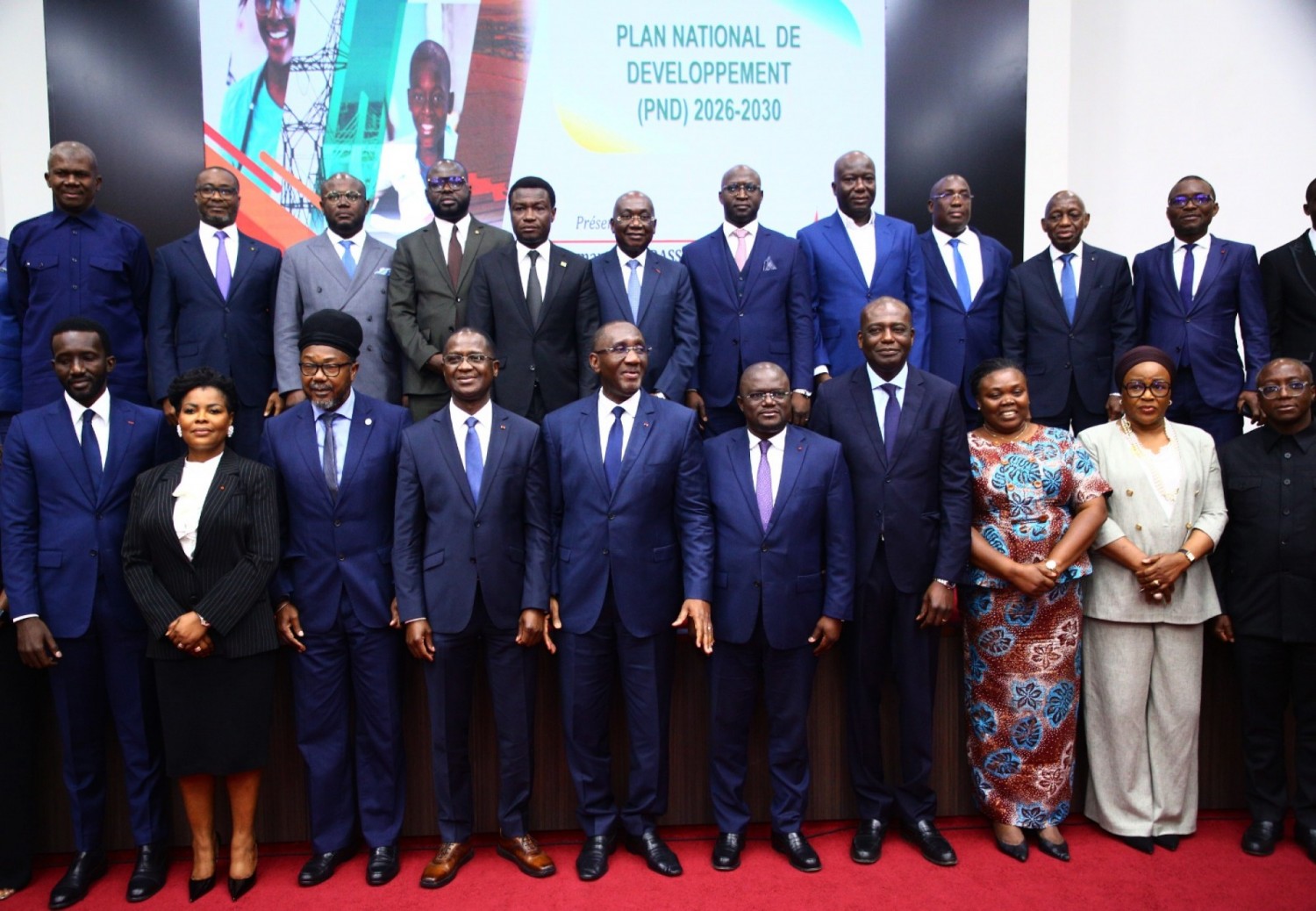
The Ivorian business community has pledged to actively participate in the implementation of the National Development Plan (PND) for 2026-2030. This ambitious program requires an estimated 114.8385 trillion CFA francs (approximately $204 billion) in investments, with the private sector expected to contribute a significant 70% of this total. Ahmed Cissé, president of the General Confederation of Enterprises of Côte d'Ivoire (CGECI), stated that the Ivorian private sector is prepared to leverage its innovation, capital, and expertise to collaboratively build the nation's economic future alongside the state. This commitment follows an appeal made by the Minister of Plan and Development, Souleymane Diarrassouba, during a meeting to present the PND to Ivorian entrepreneurs. Cissé emphasized that the private sector's contribution must address key concerns, including the involvement of SMEs in major projects, mechanisms for mobilizing anticipated private financing, and state-provided risk-sharing and support frameworks. Minister Diarrassouba outlined planned reforms aimed at enhancing the business environment and increasing investment opportunities in priority sectors such as agro-industry, manufacturing, energy, infrastructure, digital technology, healthcare, and tourism, as well as public-private partnerships. The PND 2026-2030 targets an average economic growth rate of 7.2% over the period, with the goal of accelerating the structural transformation of the Ivorian economy and elevating the country to upper-middle-income status.
The Ivorian government's strategy to leverage private sector investment for its 2026-2030 National Development Plan highlights a common global approach to funding large-scale infrastructure and economic transformation. The plan's reliance on private capital, particularly the ambitious 70% target, underscores the need for a robust and transparent business environment. The success of this initiative will likely depend on the government's ability to implement promised reforms that reduce investment risks and streamline processes for both domestic and international investors. Ensuring equitable participation for SMEs and establishing clear risk-sharing mechanisms will be crucial for fostering broad-based economic development and maintaining business confidence. The PND's objective of achieving upper-middle-income status by 2030, supported by a projected 7.2% annual growth, sets a high bar that requires sustained policy coherence and effective execution.
AI-generated to prompt reflection — not editorial opinion, not advice, not a statement of fact. How this works.