Ivory Coast Agriculture Minister Distributes 2.8 Billion FCFA in Supplies to 6,000 Farmers
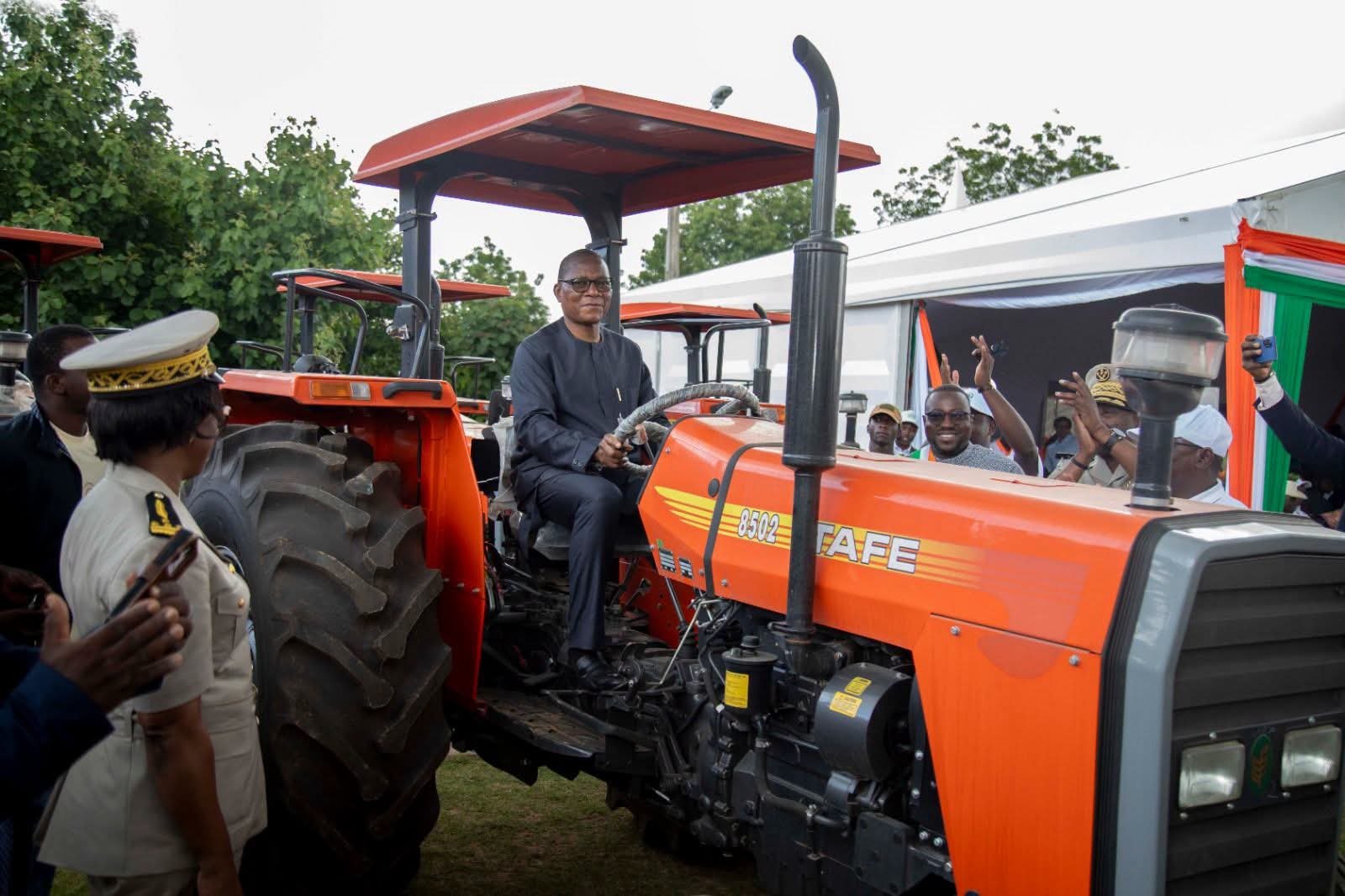
Bruno Nabagné Koné, the Minister of Agriculture, Rural Development, and Food Crops in Ivory Coast, officially launched the distribution of agricultural inputs and equipment valued at 2.8 billion FCFA. This initiative is set to benefit approximately 6,000 producers across the country. The handover ceremony took place on Saturday, July 18th, marking a significant step in supporting the agricultural sector for the upcoming 2026 campaign. The distributed resources include essential items and machinery aimed at enhancing productivity and resilience among Ivorian farmers. This program underscores the government's commitment to bolstering food security and rural economic development. The minister emphasized the importance of these provisions in helping farmers overcome challenges and improve their yields. The allocated funds are intended to cover a range of needs, from seeds and fertilizers to more advanced farming equipment. This intervention is expected to have a positive impact on the livelihoods of the participating producers and contribute to the overall growth of the agricultural sector.
The Ivorian government's distribution of agricultural inputs and equipment represents a direct intervention to support its farming sector, likely aimed at boosting domestic food production and potentially increasing export capacity. Such initiatives often seek to address immediate needs and incentivize agricultural activity, which is crucial for rural economies. From a systemic perspective, the effectiveness of this support hinges on several factors: equitable distribution to the intended 6,000 producers, the quality and appropriateness of the supplied inputs and equipment, and the broader policy environment that governs agricultural markets and land access. Over the next decade, as climate change impacts intensify and global food supply chains face volatility, the sustainability and efficiency of these government-led support mechanisms will be increasingly scrutinized. Ensuring these programs foster long-term farmer self-sufficiency and market integration, rather than perpetual reliance on state aid, will be key to resilient agricultural development.
AI-generated to prompt reflection — not editorial opinion, not advice, not a statement of fact. How this works.