Ivory Coast President Promises Lasting Solutions After Deadly Rains
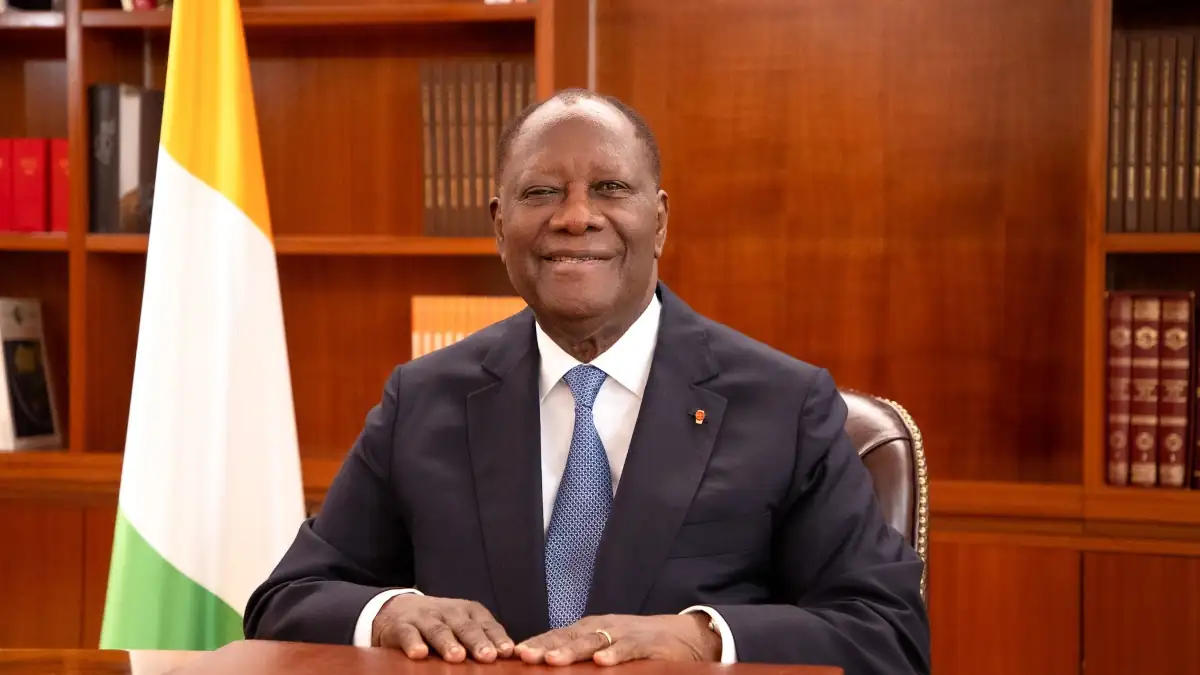
Following a tragic toll from heavy rains, Ivorian President Alassane Ouattara has pledged to implement sustainable measures to prevent future flooding and landslides. A presidential statement released on July 2nd announced the commitment to long-term solutions after the country has already recorded 59 fatalities due to these natural disasters since the beginning of the year. The recent downpours have caused widespread destruction and displacement across the nation, highlighting vulnerabilities in the country's infrastructure and urban planning. President Ouattara's administration is expected to outline specific projects and investments aimed at improving drainage systems, reinforcing vulnerable areas, and potentially relocating communities living in high-risk zones. The government's response aims to address the immediate crisis while also focusing on mitigating future risks associated with increasingly severe weather patterns. This initiative underscores a growing recognition of the need for climate resilience and robust disaster preparedness in Côte d'Ivoire. The effectiveness of these promised solutions will be closely watched by citizens and international observers alike.
The Ivorian government's commitment to sustainable solutions following deadly rains reflects a critical challenge faced by many developing nations: balancing rapid urbanization and economic growth with environmental vulnerability and climate resilience. The pledge by President Ouattara signals an intent to move beyond reactive disaster management towards proactive, long-term infrastructure and planning strategies. This transition is essential for mitigating the human and economic costs of increasingly frequent extreme weather events. The success of these measures will depend on effective governance, transparent resource allocation, and integrated urban planning that accounts for environmental factors. The coming years will test the administration's capacity to implement these promises, potentially setting a precedent for disaster preparedness and climate adaptation in the region.
AI-generated to prompt reflection — not editorial opinion, not advice, not a statement of fact. How this works.