Ivory Coast's ANAGED Faces Scrutiny Over Waste Management Audit
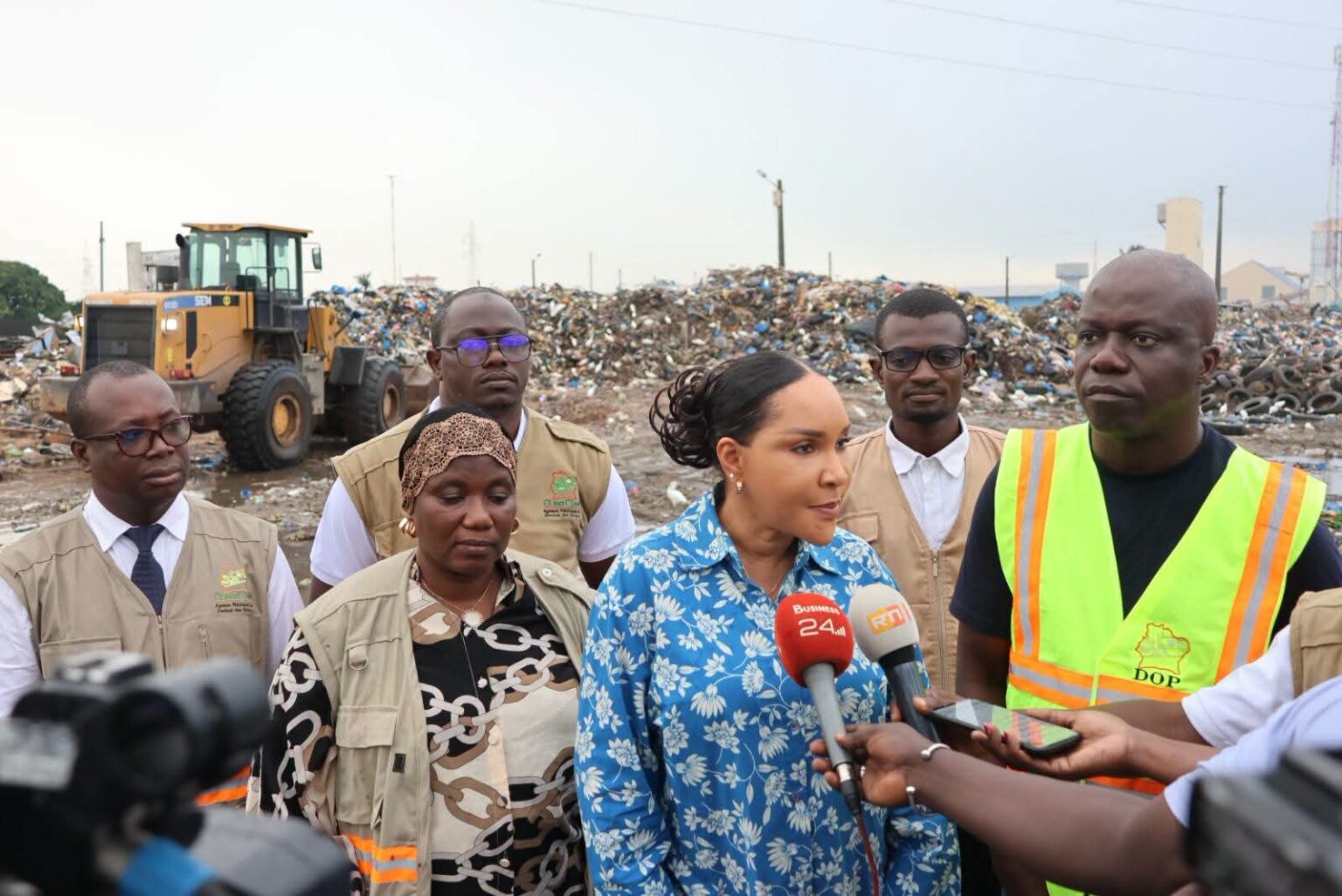
The National Agency for Waste Management (ANAGED) in Ivory Coast is under intense criticism following a rapid audit concerning the handling of waste in the country's economic capital. This situation arises amidst growing social unrest and ongoing complaints about the state of refuse collection and management within Abidjan. The agency's performance and operational efficiency have been called into question by various stakeholders. Public dissatisfaction appears to be mounting due to perceived inadequacies in sanitation services. The audit's swift nature suggests a potential urgency to address these pressing environmental and public health concerns. ANAGED's mandate involves ensuring effective waste disposal and promoting a cleaner urban environment. However, recent events indicate a significant gap between these objectives and the reality on the ground. The implications of this audit are expected to lead to reforms or increased oversight of ANAGED's operations. The agency's response to the criticisms and the audit findings will be crucial in determining the future of waste management in Abidjan.
The rapid audit of ANAGED highlights a critical juncture in Abidjan's urban development, where sanitation infrastructure struggles to keep pace with economic growth. The public's growing discontent signals a potential systemic failure in waste management governance, possibly stemming from underfunding, inefficient resource allocation, or inadequate policy implementation. As AI and smart city technologies advance, there's an opportunity to reassess ANAGED's operational model, exploring data-driven solutions for waste collection optimization, recycling enhancement, and public engagement. The challenge lies in balancing immediate public health needs with long-term sustainable waste management strategies, ensuring accountability and transparency in the process. Future success will depend on proactive policy adjustments and embracing technological innovation to create a more resilient and environmentally sound urban ecosystem.
AI-generated to prompt reflection — not editorial opinion, not advice, not a statement of fact. How this works.