Ivory Coast's Elephants Lose 2-1 to Germany After Late Goal, Echoing Past Defeats
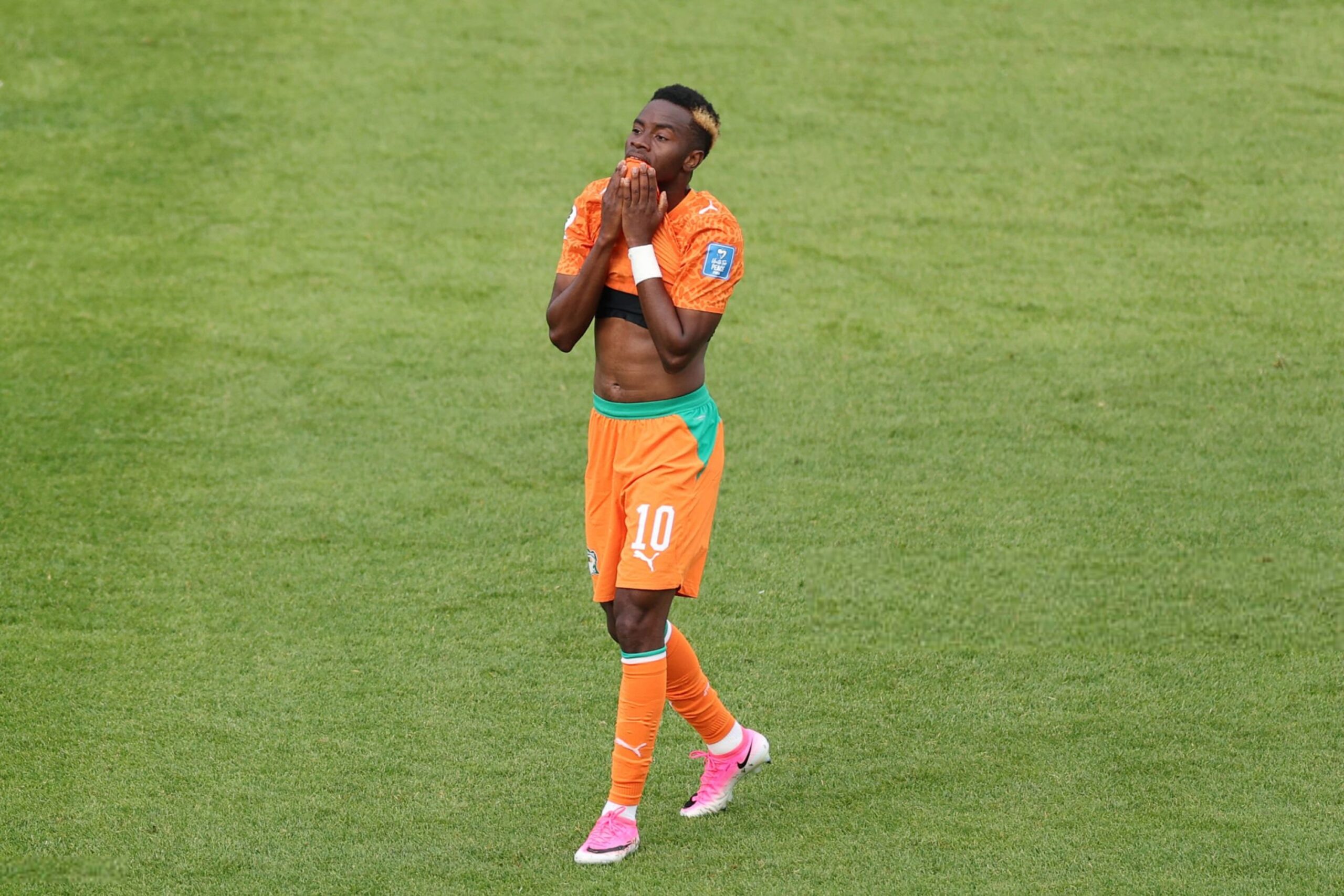
The Elephants of Côte d'Ivoire have once again experienced a heartbreaking defeat, losing 2-1 to Germany in a match that saw the decisive goal scored in stoppage time. This outcome mirrors a recurring narrative for the Ivorian national team, particularly in significant international competitions. Twenty years after their inaugural World Cup appearance, the team finds itself in a familiar position of falling short in crucial moments. The late goal conceded against Germany underscores a pattern of resilience tested and ultimately broken in the dying minutes of play. This latest loss raises questions about the team's ability to maintain focus and secure results under pressure. The Elephants' journey in this tournament has been marked by close contests, but the inability to close out games against strong opposition has proven to be their undoing. The repetition of such scenarios suggests underlying issues that need to be addressed for future success on the world stage. The disappointment is palpable, as fans witness history seemingly repeating itself in the most painful way.
The recurring pattern of late defeats for the Elephants of Côte d'Ivoire, particularly against formidable opponents like Germany, highlights potential systemic challenges in sports psychology and game management. While individual talent is evident, the repeated inability to secure results in stoppage time suggests a need for deeper strategic review concerning endurance, mental fortitude under pressure, and tactical adjustments in critical game phases. Examining the team's preparation, coaching strategies, and player development programs through the lens of sustained performance in high-stakes environments is crucial. Future success may hinge on fostering a more robust competitive mindset capable of navigating the psychological complexities of modern football, where decisive moments often occur in the final minutes. This recurring outcome warrants an analysis of the team's long-term development trajectory and its capacity to adapt to the evolving demands of international competition.
AI-generated to prompt reflection — not editorial opinion, not advice, not a statement of fact. How this works.