J&J Proposes $5.5 Billion Settlement for Talc Powder Lawsuits
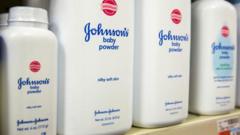
Johnson & Johnson (J&J) has proposed a settlement of up to $5.5 billion (approximately £4.14 billion) to resolve tens of thousands of lawsuits in the United States. These legal cases allege that the company's baby powder and other talc-containing products caused ovarian cancer. The proposed agreement aims to put an end to a protracted legal dispute that has cast a shadow over the healthcare giant's operations for years. This significant offer seeks to address the widespread claims linking J&J's talc-based products to serious health issues. The company has consistently denied the allegations, maintaining that its products are safe. However, the sheer volume of litigation and mounting legal pressure have prompted this substantial settlement proposal. The resolution, if accepted by claimants and approved by the courts, would mark a major step in closing this chapter for Johnson & Johnson. The ongoing legal battles have had a considerable financial and reputational impact on the company. This settlement represents a strategic move to mitigate further risks and costs associated with the ongoing litigation.
Johnson & Johnson's substantial settlement offer reflects the significant financial and reputational risks associated with widespread litigation concerning its talc-based products. While the company maintains its products are safe, the sheer volume of claims necessitates a strategic reassessment of its legal and business approach. This situation highlights the complex interplay between product liability, public perception, and corporate governance in the healthcare sector. Moving forward, the company faces the challenge of rebuilding consumer trust and demonstrating robust product safety protocols. The long-term implications for talc-based products and the company's broader portfolio will depend on evolving scientific understanding and regulatory oversight, as well as J&J's capacity to adapt its risk management strategies in the face of future challenges.
AI-generated to prompt reflection — not editorial opinion, not advice, not a statement of fact. How this works.