JAAC Postpones March for One Week Amidst Negotiation Hopes
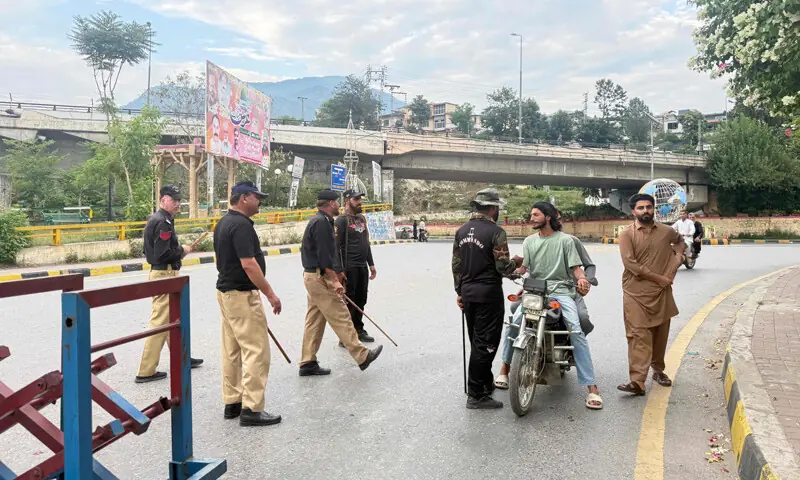
The Joint Awami Action Committee (JAAC) has postponed its planned long march by one week following back-channel negotiations involving influential intermediaries. This decision comes after thousands gathered in Rawalakot's Eidgah Ground, anticipating the protest. No untoward incidents were reported in the Poonch and Sudhnoti districts, and life remained normal elsewhere in Azad Jammu and Kashmir (AJK). Key JAAC leaders engaged in extensive talks with a mediation team, reportedly reaching broad agreement on most agenda items, with only a few outstanding issues remaining. Sources suggest the mediators have secured high-level backing, facilitating a potential breakthrough. The JAAC stated they had written directly to Army Chief Asim Munir, believing their concerns were not being adequately conveyed through official channels. JAAC leader Umar Nazir Kashmiri announced the postponement, emphasizing that sit-ins would continue while awaiting a resolution. In contrast, AJK Home Secretary Chaudhry Guftar Hussain accused the JAAC of conducting coordinated social media campaigns with "baseless claims and propaganda" to incite the public. He alleged the organization used women and children as "human shields" and accused them of promoting anti-state narratives, antagonizing the Pakistan Army, and disrupting citizens' lives and the economy, asserting that the JAAC's true aim is to damage AJK's peace and stability.
The deferral of the JAAC's march, following back-channel talks, highlights the complex interplay between grassroots mobilization and established power structures in the region. The government's engagement through intermediaries suggests a strategic effort to de-escalate tensions without appearing to concede directly to protest demands, while simultaneously employing public discourse to frame the JAAC's actions as disruptive and anti-state. The JAAC's direct appeal to the Army Chief indicates a perceived gap in communication or influence through civilian channels, potentially reflecting a broader trust deficit. Moving forward, the success of these negotiations will depend on the perceived legitimacy and sustainability of any agreed-upon settlement, and whether it addresses the underlying grievances that fueled the protest. The narrative battle, as evidenced by the Home Secretary's statements, will likely continue, shaping public perception and future political dynamics.
AI-generated to prompt reflection — not editorial opinion, not advice, not a statement of fact. How this works.