JAAC Threatens Muzaffarabad March if Demands Unmet by July 14
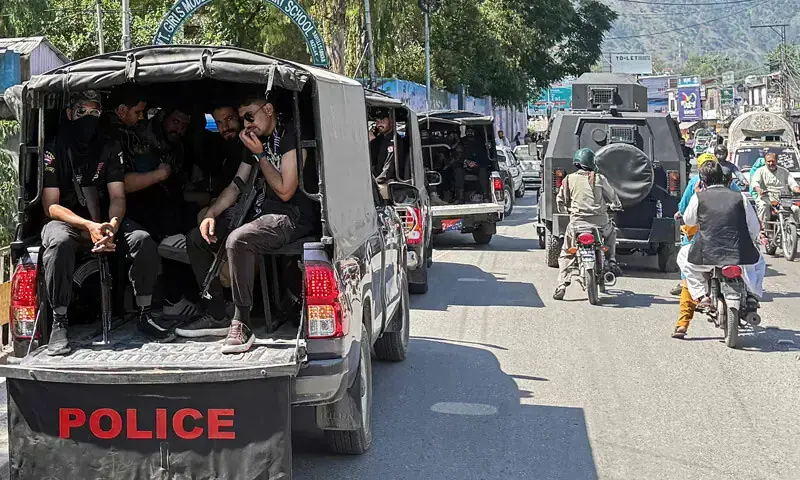
The proscribed Joint Awami Action Committee (JAAC) has announced its intention to resume its long march towards Muzaffarabad on July 15, should its demands not be met by the July 14 deadline. JAAC core member Umar Nazir Kashmiri stated that if the charter of demands is not implemented by the evening of July 14, a new announcement will be made on July 15, implying a potentially more assertive course of action. The alliance urged citizens across Azad Jammu and Kashmir (AJK) to prepare for this march and appealed to national and international media, political parties, and human rights organizations to observe the proceedings. Sit-ins have been ongoing at six locations near Rawalakot for a month, since the original march was halted on June 10. In a separate incident, two individuals were reportedly killed and several others injured near Rawalakot during an exchange of fire between law enforcement and activists. Officials stated that security forces were clearing a road blockade for a food convoy when they came under fire from JAAC activists. The Poonch administration alleged that armed activists had blocked key routes to Rawalakot, disrupting essential supplies, and that security personnel returned fire after being shot at while clearing the Bagh-Rawalakot road. The food convoy eventually reached Rawalakot safely.
The JAAC's ultimatum highlights a persistent tension between citizen demands for governance or resource allocation and state control over infrastructure and public order. The group's threat to march on Muzaffarabad, coupled with the violent clashes during the clearing of a food convoy, suggests a breakdown in communication and negotiation channels. The state's response, involving force to clear blockades, indicates a prioritization of maintaining supply lines and unimpeded movement, potentially at the cost of escalating conflict. Future resolutions may depend on establishing more effective dialogue mechanisms that address the underlying grievances without resorting to disruptive tactics or forceful suppression, considering the potential for wider instability and humanitarian impact in the region.
AI-generated to prompt reflection — not editorial opinion, not advice, not a statement of fact. How this works.