Jacareí Public Transport Fares Increase Starting Monday
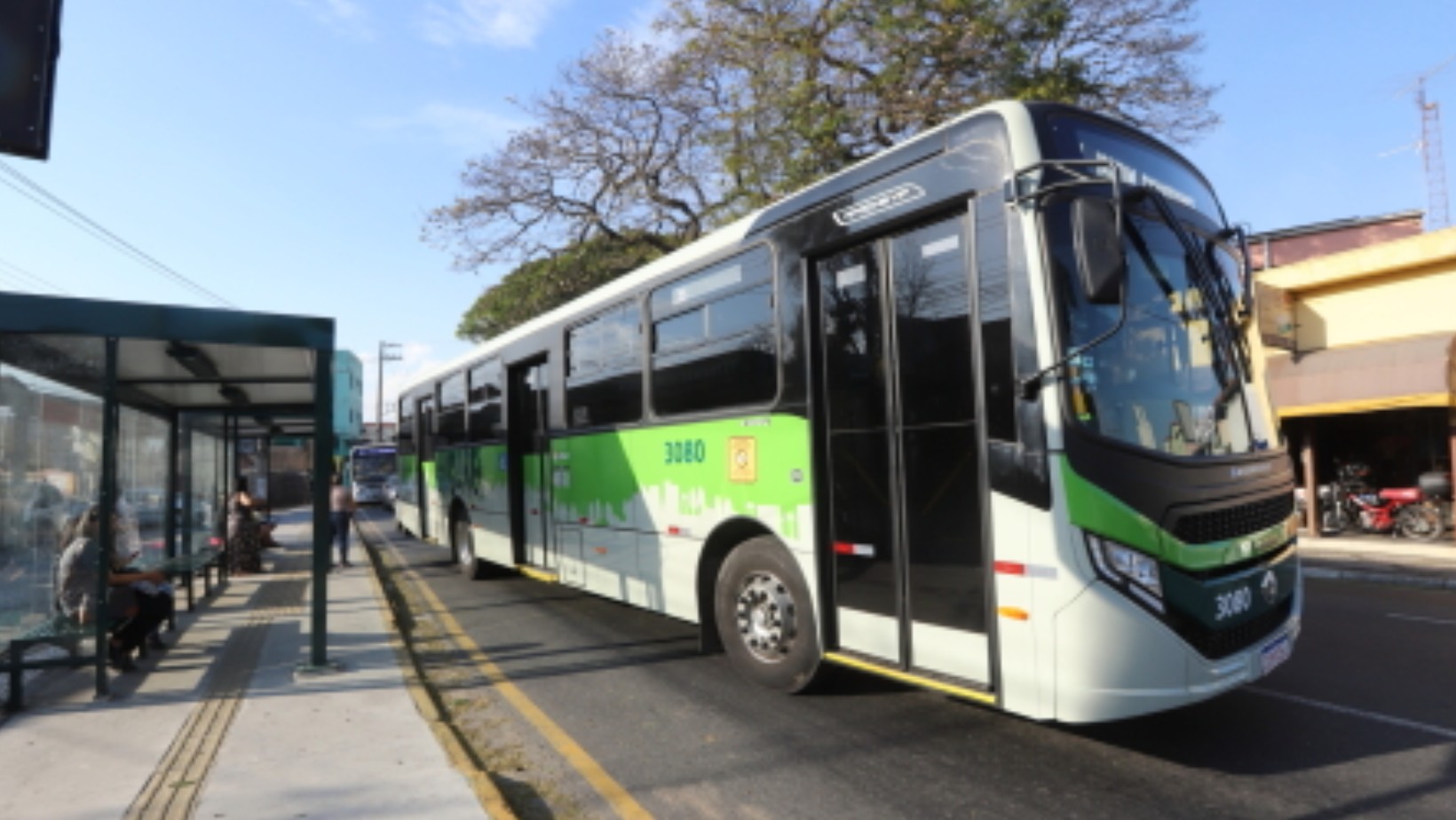
Public transportation fares in Jacareí, Brazil, have become more expensive as of Monday, July 13th. The fare for common cards and contactless credit/debit payments has increased from R$ 4.20 to R$ 4.50. Paying with cash will now cost R$ 5.00, up from R$ 4.20. Student fares have also seen an increase, rising from R$ 2.40 to R$ 2.70. According to a decree by Mayor Celso Florêncio, published on July 3rd, the technical fare, which represents the cost paid to transport companies, remains at R$ 8.06. The passenger fare, subsidized by the municipality, is what has been adjusted. This marks the first adjustment to the social fare since September 2019. The municipal administration cited rising system costs, the impact of the pandemic, and the need to maintain the service's economic-financial balance as justifications for the increase. A transition period is in place for users of Superpasse common and student cards; credits purchased before Sunday, July 12th, can be used at the old rates for 30 days, after which remaining trips will be charged at the new tariffs.
This fare adjustment in Jacareí reflects the ongoing challenge for municipalities to balance the operational costs of public transportation with affordability for citizens. The stated justifications—pandemic impacts and system costs—are common across the sector globally. The discrepancy between the subsidized passenger fare and the higher technical fare highlights the reliance on municipal subsidies to maintain service levels. This situation underscores a systemic tension: as operational costs rise due to inflation and external factors, and as ridership patterns potentially shift post-pandemic, the sustainability of public transit funding models, particularly those heavily reliant on fares and subsidies, will continue to be a critical issue over the next decade. The transition period for existing credits demonstrates an effort to mitigate immediate user impact, but the underlying financial pressures will likely necessitate further strategic planning regarding service efficiency and revenue generation.
AI-generated to prompt reflection — not editorial opinion, not advice, not a statement of fact. How this works.