Jack Kevorkian: The Doctor Who Assisted 130 Deaths and Challenged the Law
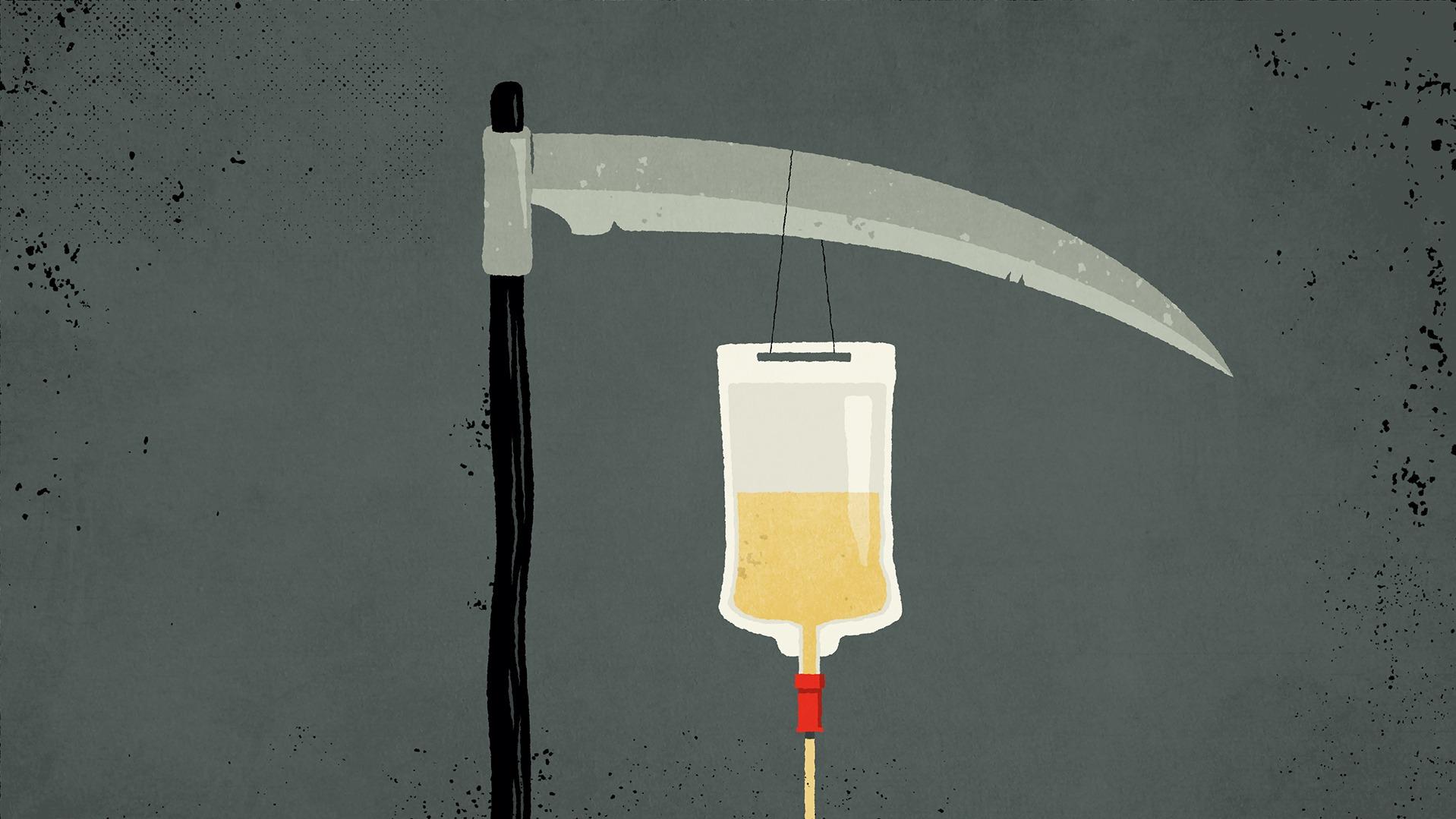
From 1990 to 1998, American physician Jack Kevorkian actively assisted approximately 130 individuals in ending their lives. Kevorkian was a prominent advocate for euthanasia and assisted suicide, believing it was a patient's right to choose the timing and manner of their death. His controversial practices led to numerous legal battles, as he repeatedly defied the justice system. At one point, he even filmed himself administering a lethal injection to a man, Thomas Youk, in 1998. This act was intended to provoke a legal challenge and bring the issue of physician-assisted death to the forefront of public debate. Kevorkian's actions sparked widespread ethical and legal discussions about end-of-life choices, the role of physicians, and the definition of murder versus assisted suicide. He was eventually convicted of second-degree murder in 1999 for Youk's death and served eight years in prison. His legacy remains a complex and polarizing subject in the ongoing debate surrounding medical aid in dying.
Jack Kevorkian's actions highlight the profound societal and ethical dilemmas surrounding end-of-life autonomy and medical intervention. His methods, while legally condemned, forced a global conversation on patient rights, the limits of medical practice, and the definition of compassion in terminal illness. The legal system's response, culminating in his conviction, reflects a tension between upholding the sanctity of life and respecting individual liberty in the face of suffering. As societies grapple with aging populations and advancements in palliative care, the principles Kevorkian championed continue to inform debates on physician-assisted dying, emphasizing the need for clear legal frameworks, robust ethical guidelines, and compassionate consideration for those facing irreversible conditions.
AI-generated to prompt reflection — not editorial opinion, not advice, not a statement of fact. How this works.