Jackfruit's Relatives: Exploring the Diverse Moraceae Family
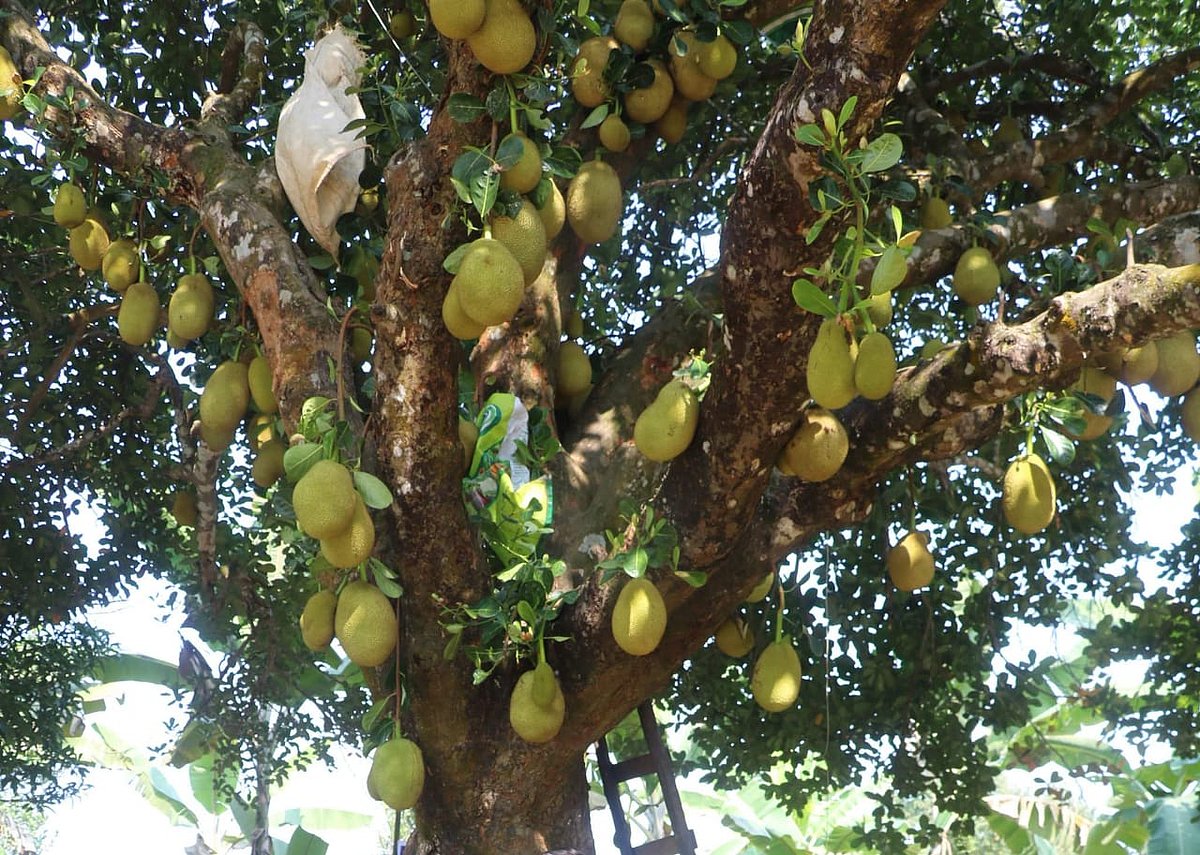
As the world celebrates Jackfruit Day on July 4th, this article delves into the fascinating Moraceae plant family, to which jackfruit, Bangladesh's national fruit, belongs. The Moraceae family boasts over 1,500 species globally, primarily thriving in tropical and subtropical regions. Jackfruit itself is renowned as the largest tree-borne fruit, with individual fruits often weighing 30-40 kg or more. It's a composite fruit, with each 'bulb' developing from a separate flower. Notably, jackfruit grows directly on the trunk and branches, and its versatility extends from unripe preparations to its growing popularity as a vegan meat alternative. The article also highlights several of jackfruit's relatives within the Moraceae family. Chapalish (Artocarpus chama), also known as wild jackfruit, is a smaller, wild relative found in Bangladesh's hilly forests, weighing around 200-400 grams and ripening from June to August. It's a favorite food for forest animals and its seeds are edible when roasted. However, the chapalish tree is now considered endangered in Bangladesh, despite its valuable, insect-resistant wood used in furniture and construction. Deuwa (Artocarpus lacucha), another familiar fruit, is known for its tart-sweet taste and is consumed raw, dried, or as chutneys and pickles, though its commercial cultivation is declining, leading to its potential disappearance. Breadfruit, a staple in many Pacific island nations, resembles a smaller, thornless jackfruit and is valued for its nutritional content and carbohydrate richness. It can be eaten baked, fried, or cooked as a vegetable. Champedak, a close relative of jackfruit, is smaller, less fibrous, and easier to peel, with a strong sweet aroma and buttery texture. It's popular in Southeast Asia and increasingly grown by enthusiasts in Bangladesh. Finally, mulberries (Morus), known for their delicious, juicy, and nutritious berries, were historically cultivated for silkworm food but are now gaining popularity as a fruit in Bangladesh, with ripe berries ranging from dark purple to black and offering a sweet or tart-sweet flavor.
The exploration of the Moraceae family, centered around the jackfruit, highlights the rich biodiversity and nutritional potential often overlooked in common fruits. While celebrating these botanical relatives, it's crucial to recognize the systemic challenges leading to the endangerment of species like chapalish and the decline of traditional fruits like deuwa. Factors such as market demand shifts, lack of commercial cultivation, and changing agricultural practices contribute to this loss. Promoting awareness and sustainable cultivation of these diverse fruits can bolster food security and preserve valuable genetic resources. The increasing interest in fruits like breadfruit and champedak as food alternatives also reflects a global trend towards exploring underutilized crops, driven by nutritional and environmental considerations. This diversification in our food systems is essential for resilience in the face of climate change and evolving dietary preferences.
AI-generated to prompt reflection — not editorial opinion, not advice, not a statement of fact. How this works.