Jacto Launches Autonomous Sprayer Capable of Over 1,000 Hectares Per Month
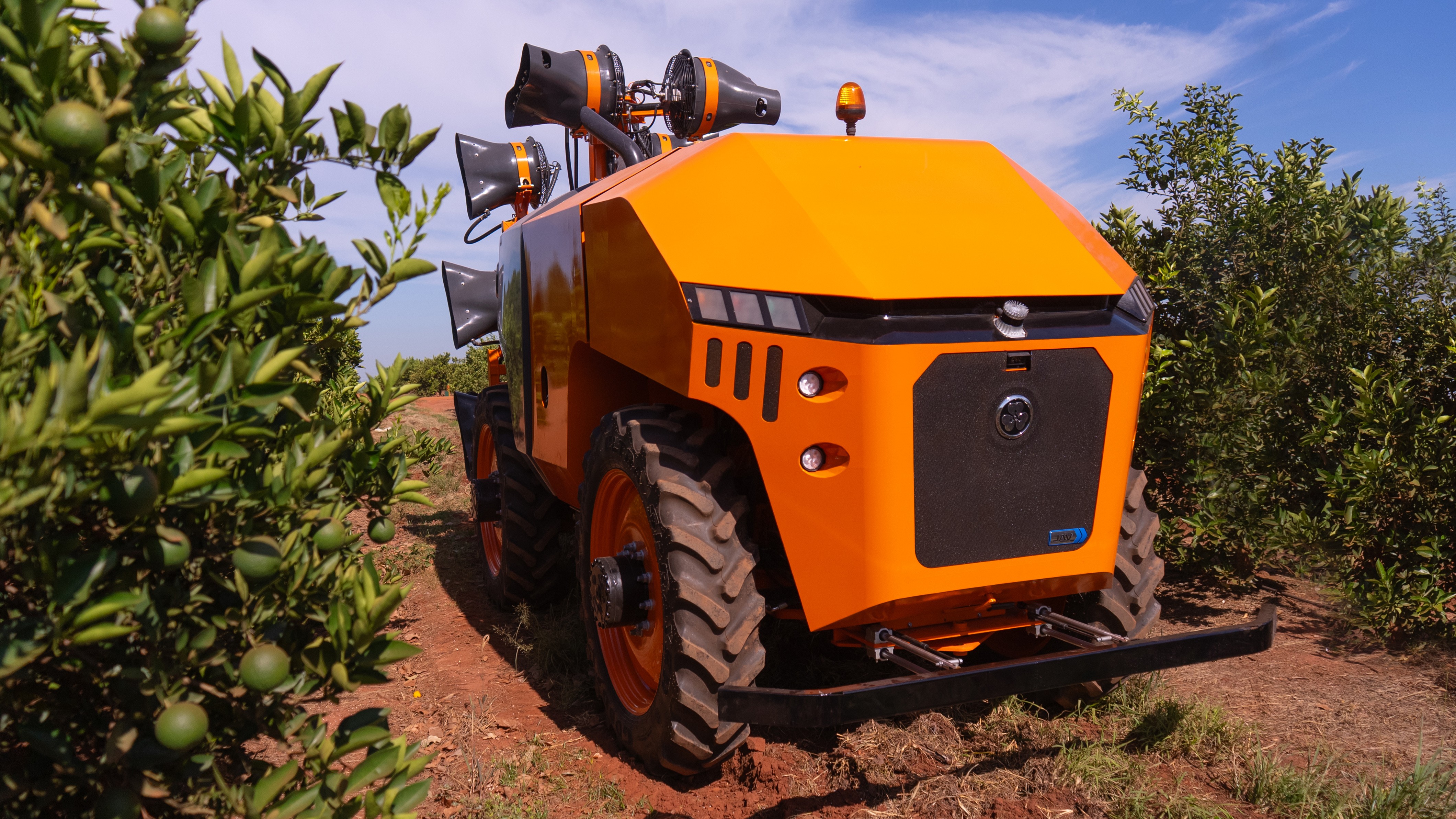
Brazilian agricultural machinery company Jacto has officially launched its autonomous sprayer, the Arbus 4000 JAV, for commercial sale. Previously available only through lease agreements on citrus farms, the sprayer is now a product offering, designed to meet international technical standards for agricultural environments with a focus on worker safety and accident prevention. Jacto CEO Carlos Daniel Haushahn noted that the market has matured for autonomous solutions, with the Arbus 4000 JAV undergoing extensive validation, accumulating over 16,000 operational hours across nearly 60,000 hectares before its commercial release.
Initially developed for citrus cultivation, the Arbus 4000 JAV operates without an onboard operator, requiring only remote supervision and control. A single operator can manage up to four units simultaneously in a convoy formation, potentially boosting productivity by up to 300% per operator. The sprayer can operate 24 hours a day, achieving up to 30% greater operational efficiency than traditional sprayers for citrus crops, ensuring uniform application speed and product volume. Its advanced application system, featuring up to eight fans, allows for variable application rates at different plant heights, contributing to input savings. When operating continuously and optimally adjusted, each sprayer can cover more than 1,000 hectares per month.
The Arbus 4000 JAV integrates LiDAR laser sensor technology and a high-resolution camera, enabling environmental monitoring. Artificial intelligence processes this data to create a virtual projection of plants, estimating their size, canopy width, and spacing to ensure precise navigation between crop rows. An intelligent system collects and processes real-time data via telemetry, accessible through the Jacto Connect application for operational management and decision-making, enhancing overall equipment efficiency.
The commercial release of Jacto's autonomous sprayer signifies a pivotal moment in agricultural automation, moving beyond pilot programs to wider market adoption. This shift reflects a broader trend towards leveraging AI and robotics to address labor shortages, optimize resource utilization, and enhance operational efficiency in large-scale farming. The sprayer's ability to operate continuously and manage multiple units per operator highlights potential for significant productivity gains and cost reductions, particularly in high-value crop segments like citrus. However, the integration of advanced sensors and AI for navigation and variable application also points to a growing reliance on sophisticated technology, necessitating robust infrastructure, skilled maintenance personnel, and comprehensive data management strategies. The long-term success will depend on the scalability of these solutions, their adaptability to diverse agricultural conditions, and the continued evolution of regulatory frameworks governing autonomous agricultural machinery.
AI-generated to prompt reflection — not editorial opinion, not advice, not a statement of fact. How this works.