Jaguar Cub 'Xingu' Makes Public Debut at Parauapebas BioPark
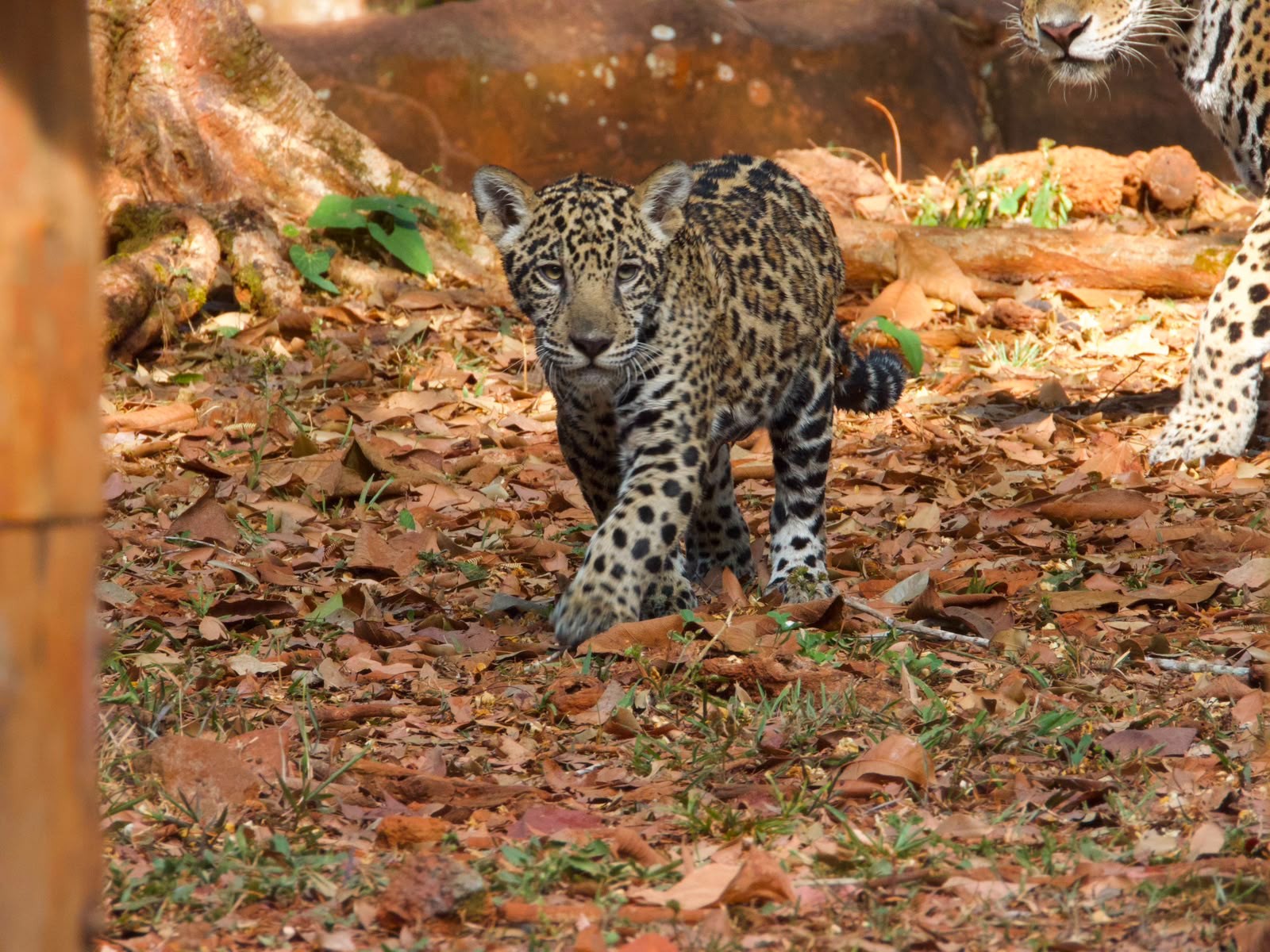
Xingu, a six-month-old jaguar cub, made its first public appearance at the BioParque Vale Amazônia in Parauapebas, located in southeastern Pará. Over 4,000 people attended the event, which was part of the park's special holiday programming. The cub's appearance highlighted the importance of conserving the jaguar species, which is considered endangered. Xingu, born at the biopark, lives with its mother, Marília, and is gradually exploring its new, enlarged enclosure. The park is ensuring the cub's well-being through controlled introductions and constant supervision by its mother. This presentation marked the public's initial opportunity to see Xingu, who is now integrated into the park's visible animal collection. Visitors also engaged in environmental education activities focused on raising awareness about the preservation of Amazonian fauna. The BioParque Vale Amazônia actively participates in conservation programs for native species and uses environmental education to connect the public with the region's biodiversity. Jaguars, the largest felines in the Americas, are crucial for maintaining ecosystem balance and are considered a keystone species for forest conservation.
The public debut of the jaguar cub Xingu at the BioParque Vale Amazônia serves as a public relations initiative to draw attention to conservation efforts for an endangered species. By showcasing a young animal, the biopark aims to foster emotional connections with visitors, thereby increasing engagement with its environmental education programs and potentially driving donations or increased visitation. This approach leverages the inherent appeal of charismatic megafauna to support broader conservation goals. From a systemic perspective, such events highlight the ongoing challenge of balancing public access and engagement with the welfare and conservation needs of captive wildlife. The long-term success of these programs will depend on sustained funding, effective species management, and the ability to translate public fascination into tangible conservation outcomes in the wild.
AI-generated to prompt reflection — not editorial opinion, not advice, not a statement of fact. How this works.