Jaguar Cub 'Xingu' to Debut at Pará Biopark
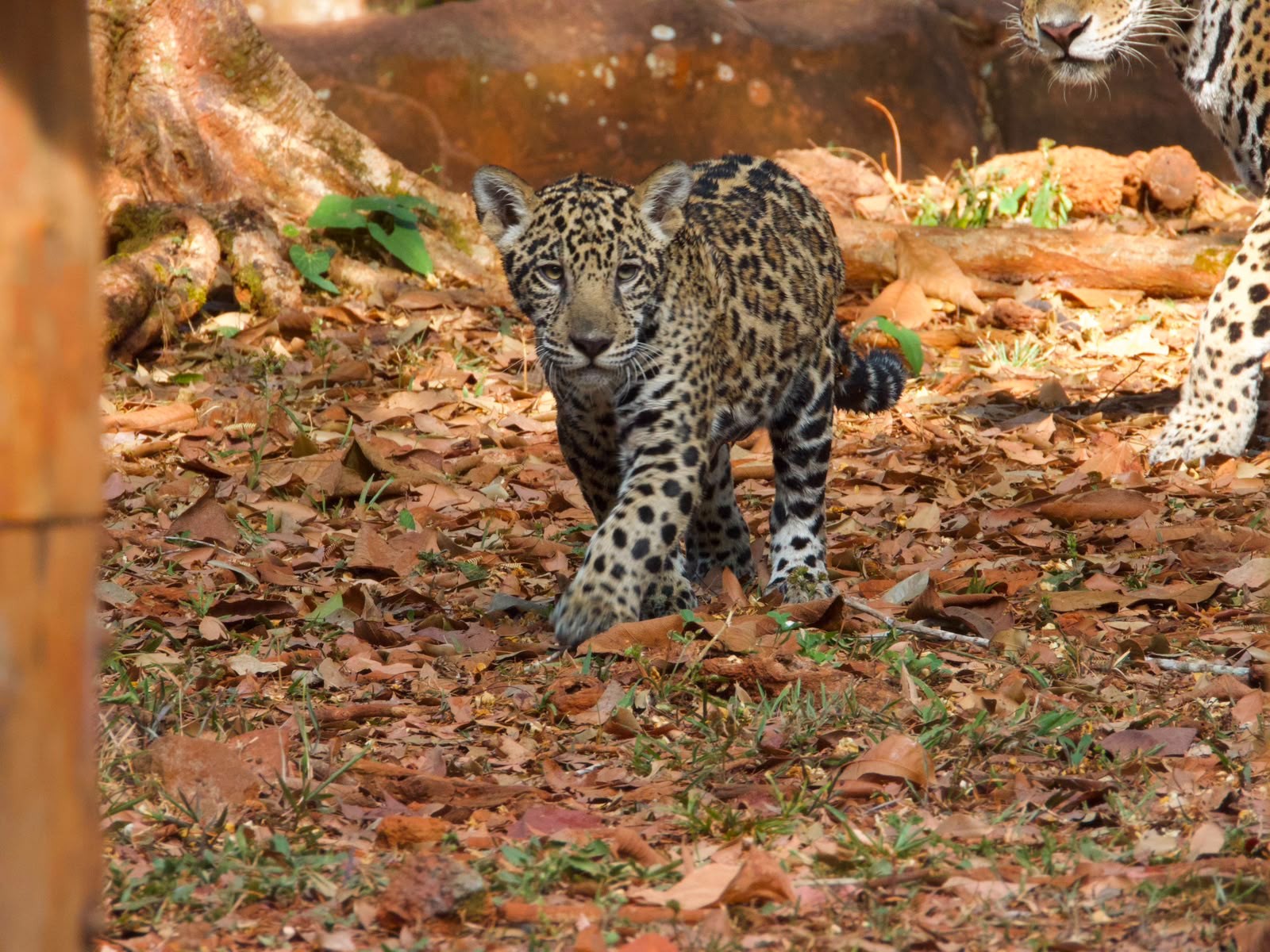
The jaguar cub named Xingu will be publicly presented for the first time on Sunday, May 19th, at the BioParque Vale Amazônia in Parauapebas, located in southeastern Pará, Brazil. Born in the Serra dos Carajás region, Xingu has reached six months of age and belongs to a species classified as endangered. The cub's name was chosen through a public vote held in March. Veterinarian Nereston de Camargo highlighted that Xingu is in a crucial developmental phase, learning from his mother, and the expanded enclosure allows for greater exploration and learning. The BioParque is also hosting special holiday activities, including workshops, games, and a capoeira presentation. Xingu is the seventh jaguar cub born at the BioParque in the last 12 years and the third with Cerrado genetics. His parents, Marília and Zezé, were both rescued from illegal captivity or irregular situations and cannot be released into the wild. Marília was rescued from illegal captivity, while Zezé was born in an institution in Goiás. They now contribute to conservation awareness efforts, particularly regarding animal trafficking and species preservation. The BioParque Vale Amazônia, situated within the Carajás National Forest and managed by ICMBio, has a history of births of various endangered species, including macaws, harpy eagles, and other felines. The park features 29 enclosures for diverse animals and an entomological collection with approximately 1,100 insect specimens. It operates from Tuesday to Sunday, 9 AM to 4 PM.
The public debut of the jaguar cub Xingu at the BioParque Vale Amazônia highlights the role of such institutions in conservation and public education regarding endangered species. The cub's lineage, with parents rescued from human-influenced situations, underscores the ongoing challenges of illegal wildlife trade and the necessity of captive breeding programs. These programs, while vital for species survival, also raise questions about genetic diversity management and the long-term sustainability of populations that cannot be reintroduced into their natural habitats. The BioParque's broader efforts to showcase various endangered species and engage visitors with educational activities demonstrate a model for fostering environmental awareness. Future considerations for such initiatives might include further integrating ex-situ conservation efforts with in-situ habitat protection and exploring innovative approaches to genetic management that prepare captive populations for potential future rewilding scenarios, should ecological conditions permit.
AI-generated to prompt reflection — not editorial opinion, not advice, not a statement of fact. How this works.