Jaguar filmed near property alarms residents in Corumbá, Brazil
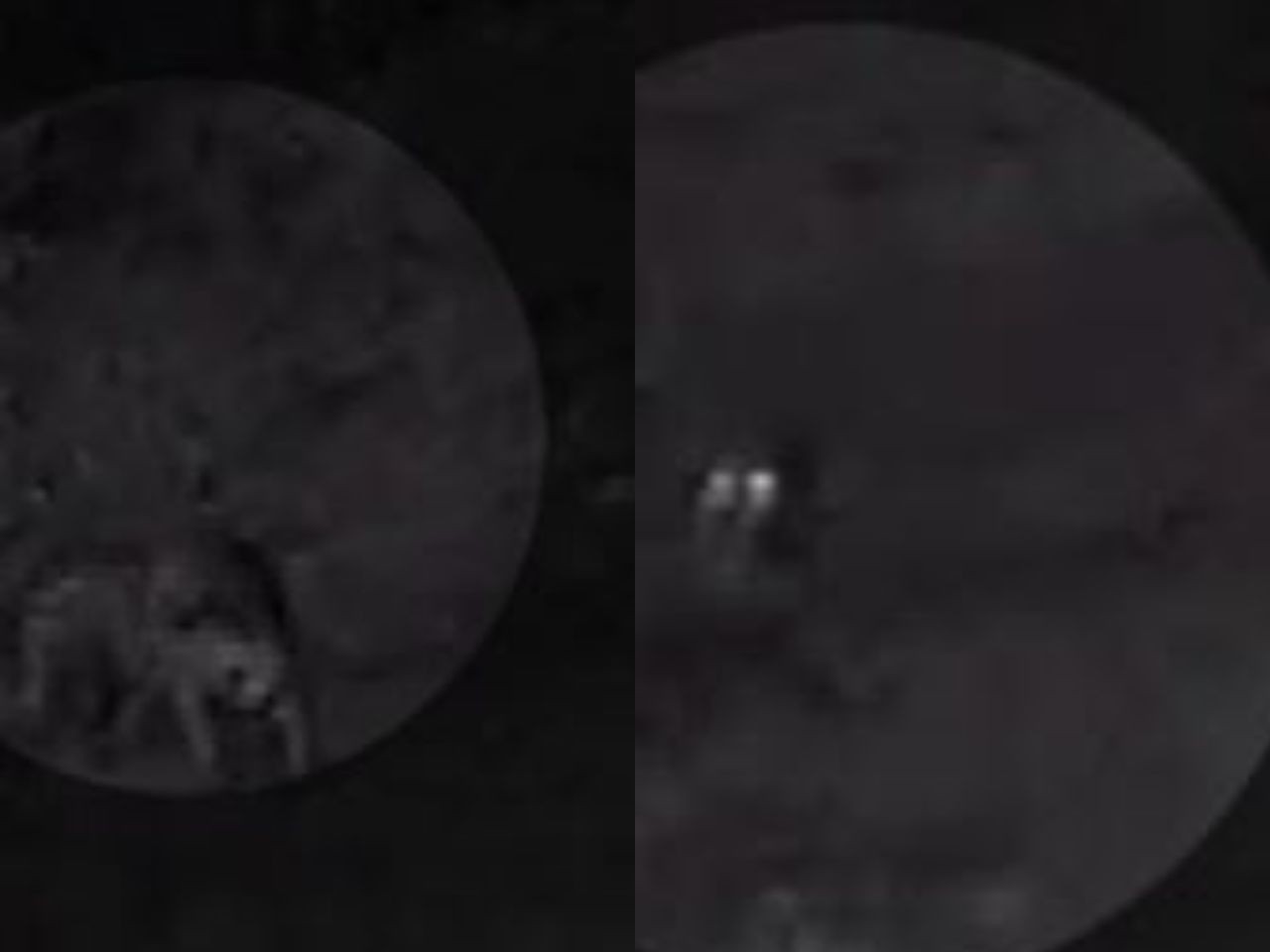
Residents in Corumbá, Mato Grosso do Sul, Brazil, have been alerted by the repeated appearance of a jaguar. The large feline was recently filmed by a security camera as it roamed a rural property located on the road leading to the Bolivian border. This incident follows a similar event in May, when another jaguar was captured in the city after entering a residential yard and killing a dog. The property owner reported that jaguar sightings have become increasingly frequent in the area. In response, the Environmental Military Police (PMA) were dispatched to the location on Sunday, November 26th. Captain Jorge Martins Júnior, commander of the PMA in Corumbá, stated that patrols will be intensified around the property and the Mirante da Capivara region. The security footage will also be sent to the Instituto Homem Pantaneiro (IHP) for analysis by their technical team. Captain Martins advised residents and owners of small domestic animals to exercise increased caution, particularly during nighttime hours. He emphasized the importance of securing pets indoors or in protected areas overnight, as this is when wild animals typically forage. In May, a young female jaguar, approximately 4 years old and weighing 72 kilograms, was captured after attacking a family pet. This jaguar underwent veterinary assessment and was subsequently released in the Serra do Amolar region. Environmental authorities explained that such captures are a measure to prevent further attacks on domestic animals and minimize the risk of human-wildlife conflict.
The recurring presence of jaguars in proximity to human settlements in Corumbá highlights the ongoing tension between wildlife conservation and human encroachment on natural habitats. As development expands, such encounters are likely to increase, necessitating proactive strategies that balance ecological preservation with public safety. The environmental police's response, including increased patrols and public advisories, addresses immediate concerns. However, a long-term solution may involve habitat corridor restoration, community education programs on coexisting with wildlife, and potentially exploring land-use planning that minimizes human-wildlife interface. The capture and release of the jaguar in May, while addressing an immediate threat, underscores the challenge of managing wildlife populations that are displaced or seeking resources due to habitat fragmentation. Future approaches should consider the systemic drivers of these encounters, focusing on sustainable land management and conservation policies that reduce the likelihood of such conflicts.
AI-generated to prompt reflection — not editorial opinion, not advice, not a statement of fact. How this works.