Jakarta: A Sinking Megalopolis Grappling with Pollution and Overcrowding
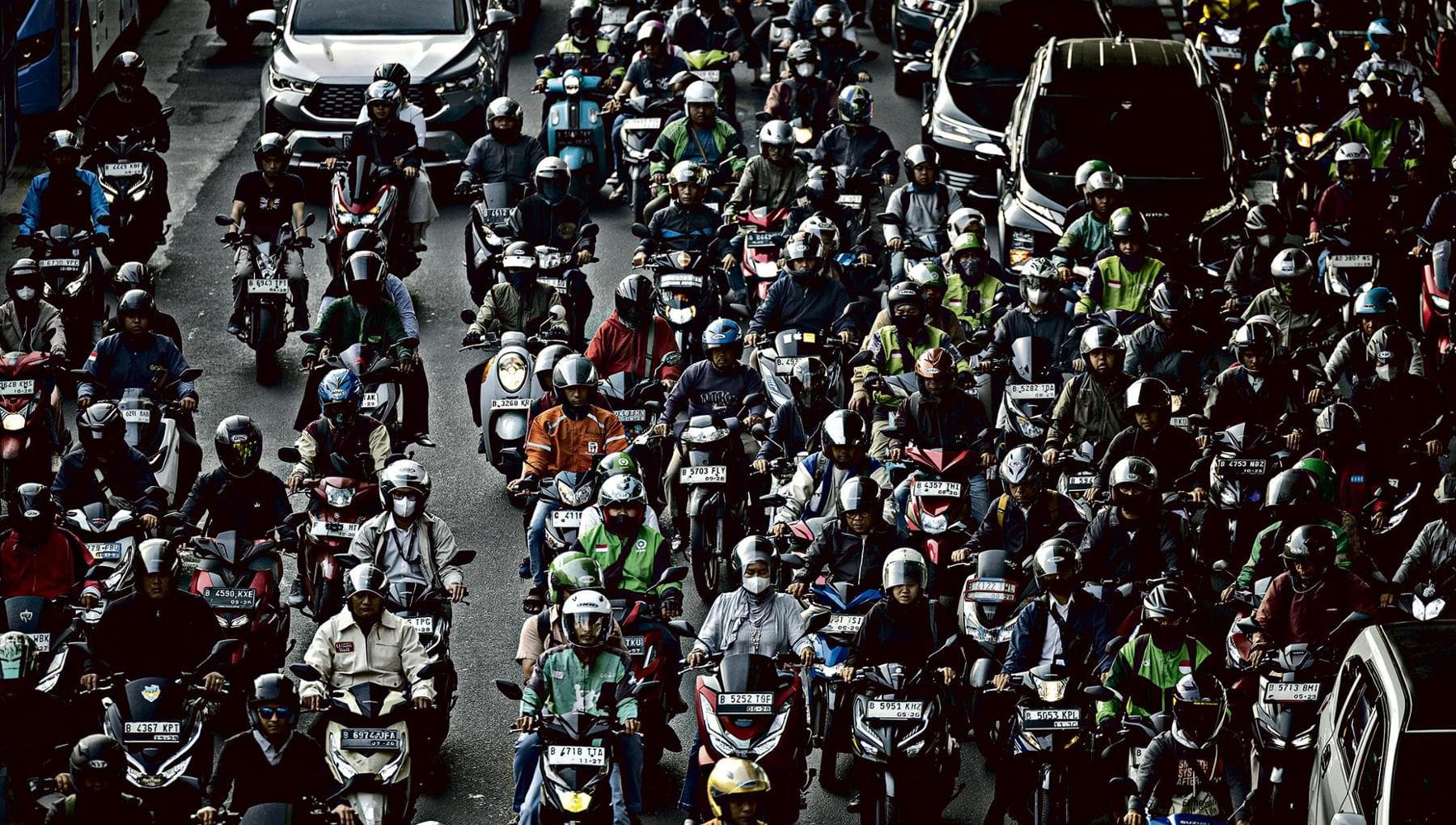
Jakarta, the capital of Indonesia, is the world's most populous city, home to 42 million residents. However, the metropolis is facing severe challenges, including crippling pollution and daily struggles with overcrowding and traffic congestion. These issues are exacerbated by the city's ongoing subsidence, placing its future in jeopardy. The sheer scale of Jakarta's population creates immense pressure on its infrastructure and resources. The combination of environmental degradation and urban sprawl presents a complex crisis for the city's governance and its inhabitants. Addressing these multifaceted problems requires innovative solutions to ensure the long-term viability of this major global center.
Jakarta's situation highlights a common challenge for rapidly growing megacities, particularly in developing economies: balancing urban expansion with environmental sustainability and infrastructure capacity. The city's subsidence, coupled with pollution and traffic, points to systemic issues in urban planning, resource management, and potentially the governance structures tasked with mitigating these impacts. Future resilience will depend on proactive policy interventions that address both the physical environment and the socio-economic drivers of these pressures, considering long-term climate change adaptation and sustainable development frameworks.
AI-generated to prompt reflection — not editorial opinion, not advice, not a statement of fact. How this works.
