Jakarta Landfill Fire Causes Widespread Illness After Burning for Over a Week
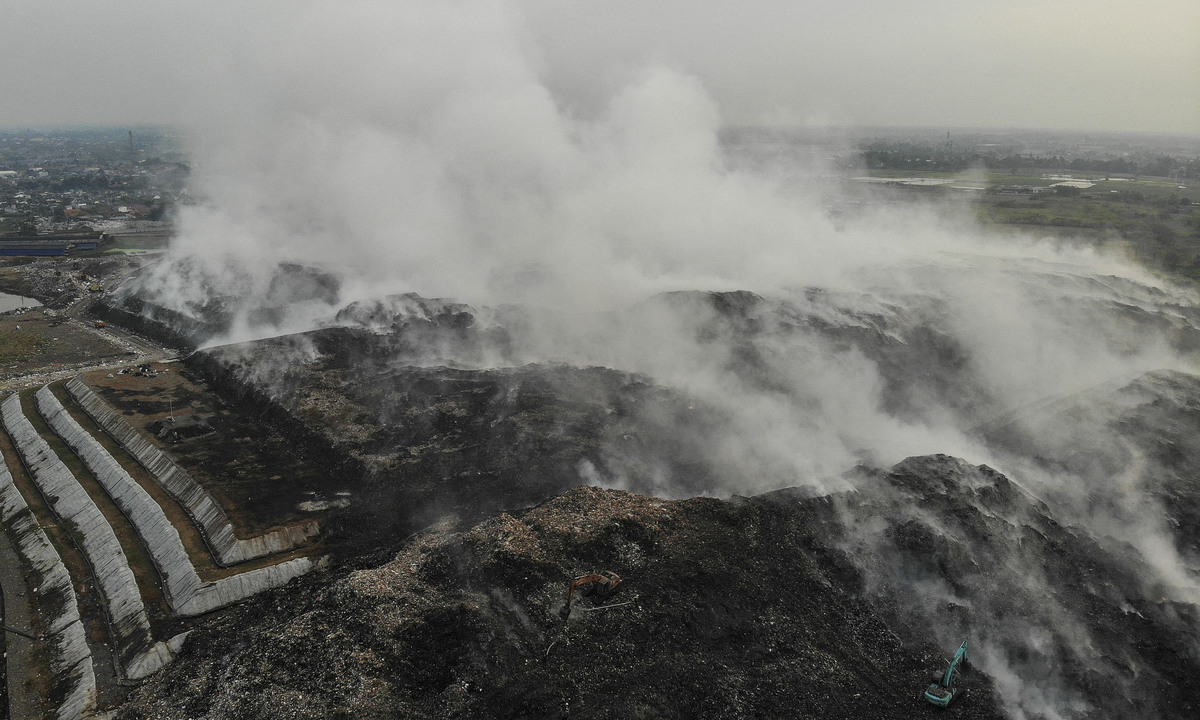
A massive landfill on the outskirts of Jakarta has been burning for over a week, resulting in severe air pollution and causing hundreds of people to fall ill. The immense "mountain of trash" has created hazardous environmental conditions in the Indonesian capital. The prolonged fire has significantly degraded air quality, leading to a surge in respiratory and other health problems among the local population. Authorities are grappling with the ongoing crisis, which highlights the challenges of waste management in densely populated urban areas. The extent of the health impact is still being assessed, but the immediate concern is the well-being of the hundreds of residents affected by the toxic fumes and smoke. Efforts to extinguish the fire are ongoing, but the sheer scale of the landfill presents a formidable challenge. This incident underscores the critical need for sustainable waste management solutions and robust emergency response protocols in major cities.
The prolonged landfill fire in Jakarta, Indonesia, presents a stark case study in the public health and environmental consequences of inadequate waste management infrastructure. The incident highlights the systemic risks associated with large-scale waste accumulation, particularly in urban environments where population density amplifies exposure. Future urban planning and resource allocation must prioritize sustainable waste processing and disposal methods to mitigate such recurring crises. The economic and social costs of these events, including healthcare burdens and environmental remediation, necessitate proactive investment in resilient waste management systems. This situation also underscores the importance of transparent public health communication and emergency preparedness in the face of environmental disasters.
AI-generated to prompt reflection — not editorial opinion, not advice, not a statement of fact. How this works.