Jamaat-e-Islami Chief: If Referendum is Haram, So is Parliamentary Election
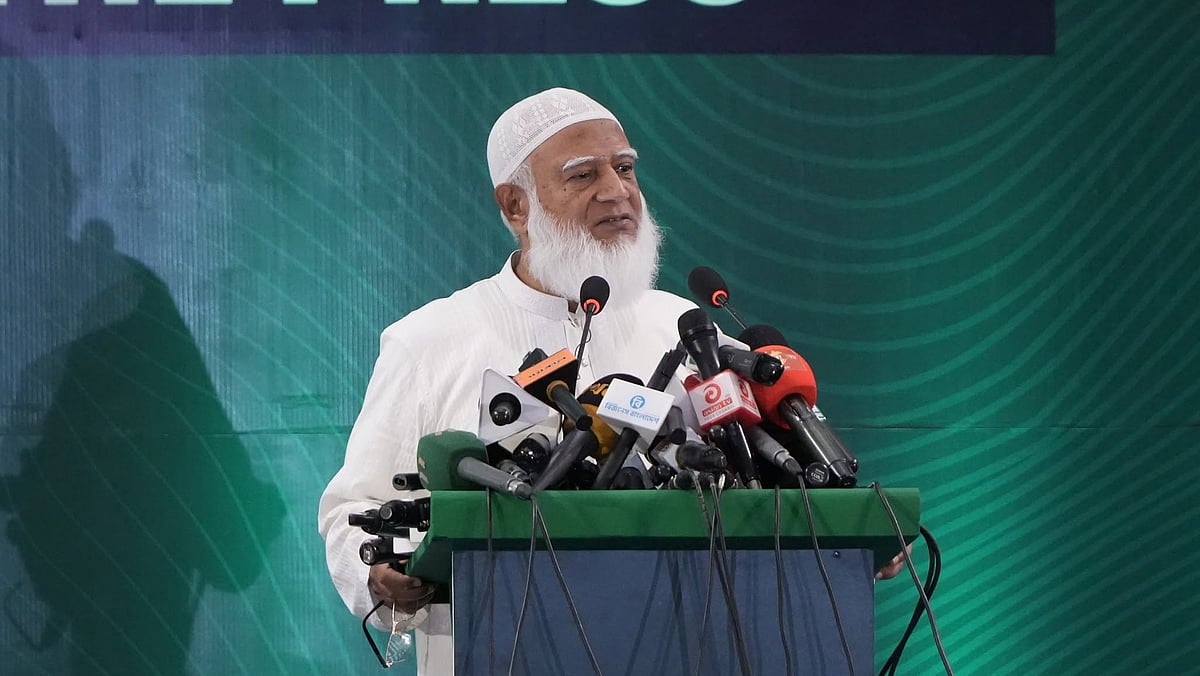
The chief of Jamaat-e-Islami has stated that if a referendum is considered forbidden (haram), then a parliamentary election should also be deemed forbidden. He argued that if the referendum is haram, then both the meat cooked in the same pot and its broth would be haram, implying a contradiction in religious interpretation. He further asserted that if parliamentary elections are haram, then there is currently no legitimate government in the country. This statement challenges the legitimacy of the current political system and governance based on his interpretation of religious principles.
This statement highlights a potential contradiction in religious rulings applied to political processes. By questioning the legitimacy of parliamentary elections if a referendum is deemed haram, the Jamaat-e-Islami chief is leveraging religious doctrine to critique the existing governance structure. This approach frames political participation and governmental authority within a specific religious framework, potentially creating a schism between religious adherents and the state. Future political stability may depend on how these differing interpretations of religious and civic duties are reconciled or managed within the public sphere.
AI-generated to prompt reflection — not editorial opinion, not advice, not a statement of fact. How this works.