Jamaat-e-Islami Chief: No Election in 2026 Without Constitutional Referendum Provision
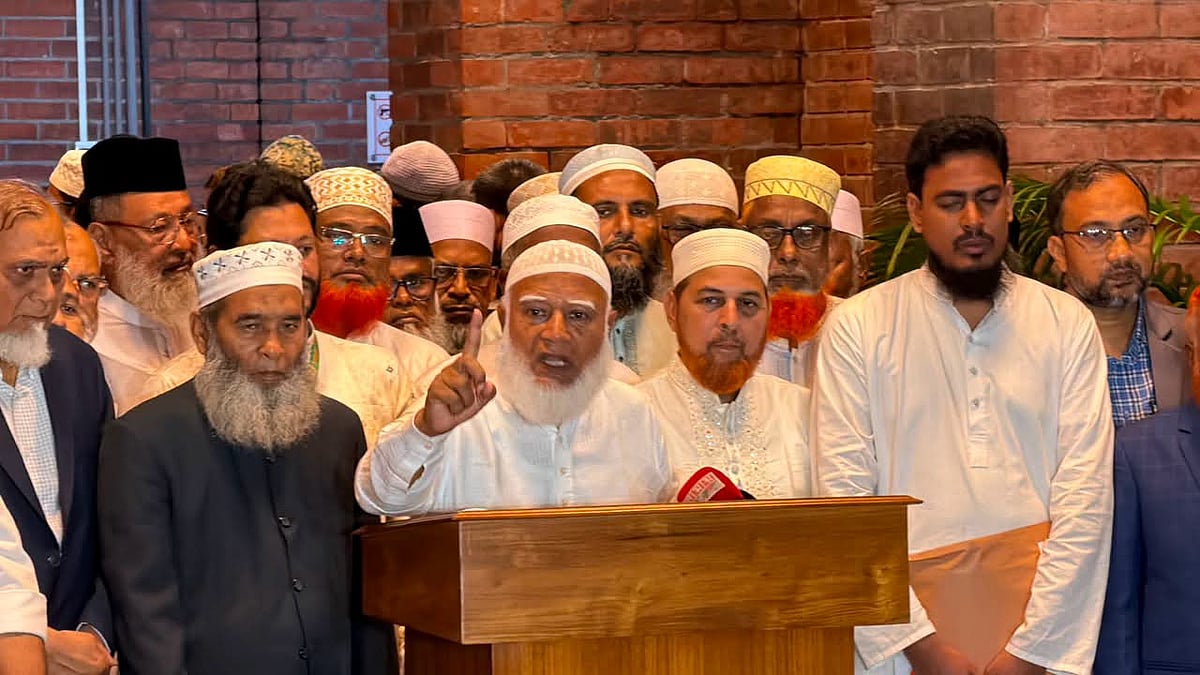
The chief of Jamaat-e-Islami has stated that without a constitutional provision for a referendum, there will be no election in 2026. He emphasized that the opposition leader will fight both within parliament and on the streets to implement the verdict of a referendum. This stance highlights a significant political demand regarding electoral processes and constitutional amendments. The party's position suggests a potential deadlock if this demand is not met. The leader's commitment to a dual strategy of parliamentary and street-level action indicates a serious intent to pursue their agenda. The call for a referendum implies a desire for direct public consultation on key national issues. This political maneuver could shape the upcoming electoral landscape and the broader constitutional debate in the country.
The Jamaat-e-Islami chief's assertion links the 2026 election prospects directly to the inclusion of a referendum provision in the constitution. This framing positions a specific constitutional mechanism as a prerequisite for democratic participation, potentially leveraging popular will as a bargaining chip in political negotiations. The strategy of pursuing action both within legislative bodies and through public demonstrations suggests an intent to apply pressure through multiple channels. This approach reflects a broader dynamic where constitutional frameworks are contested and adapted to achieve political objectives. The emphasis on a referendum could be interpreted as a demand for greater direct citizen input, contrasting with representative democracy models. The long-term implications involve the potential for increased political volatility if constitutional reforms are stalled or perceived as insufficient by significant political actors.
AI-generated to prompt reflection — not editorial opinion, not advice, not a statement of fact. How this works.