Jamaat-e-Islami Chief Warns Against New Fascism, Threatens Consequences
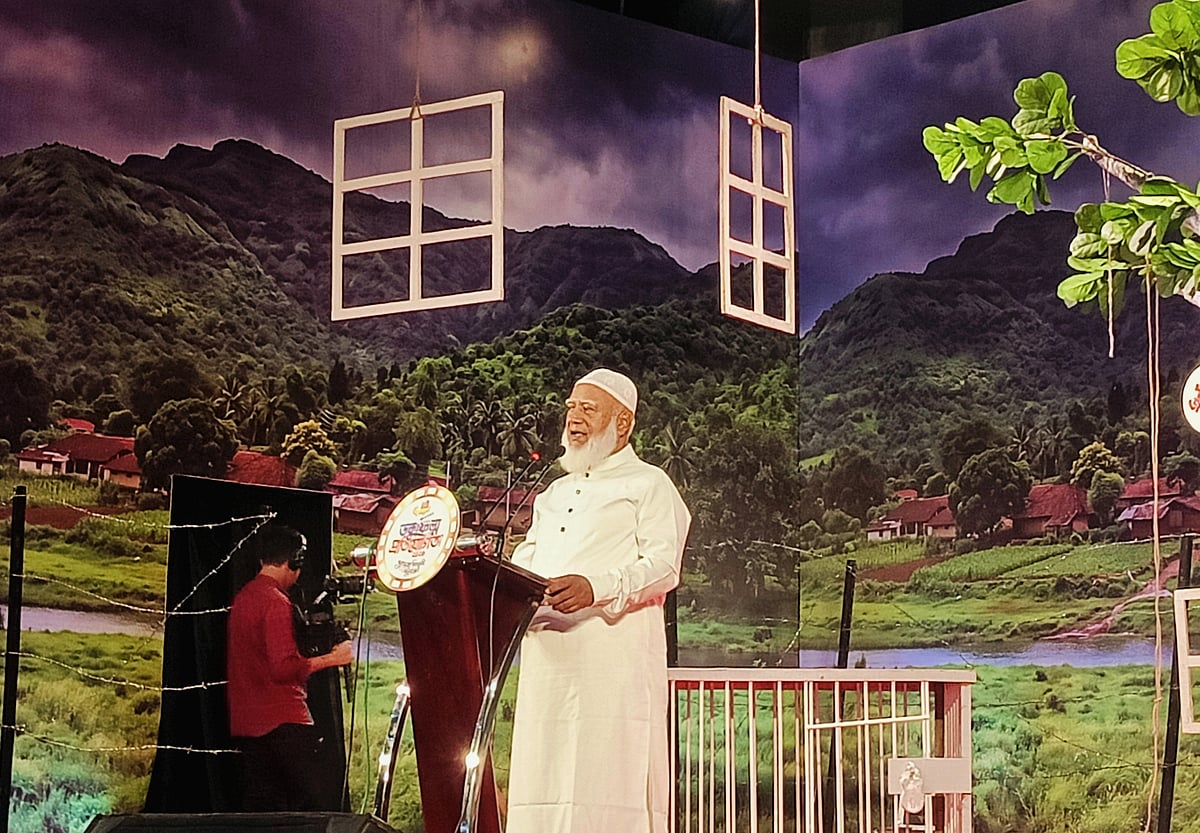
Shafiqur Rahman, the Ameer (chief) of Jamaat-e-Islami, has issued a stern warning against any attempts to create new forms of fascism. He stated that if such actions are pursued, individuals will find themselves with no escape routes. The statement was made without further elaboration on the specific context or the nature of the alleged fascist actions. Jamaat-e-Islami is a major political party in Bangladesh, known for its Islamist ideology. The party has a complex history within the country's political landscape. Rahman's remarks appear to be a strong rhetorical statement aimed at deterring perceived threats to their political space or ideology. The warning implies severe repercussions for those who might instigate or support such perceived fascist movements.
The statement from the Jamaat-e-Islami chief employs strong, confrontational rhetoric, framing potential actions as 'fascism' and threatening dire consequences. This approach seeks to mobilize supporters and deter opposition through a narrative of existential threat. From a governance perspective, such language can escalate political tensions rather than foster dialogue or resolution. In the context of Bangladesh's political history, where parties have often engaged in adversarial relationships, this rhetoric highlights the persistent challenges in achieving stable and inclusive political participation. The focus on 'escape routes' suggests a zero-sum view of political competition, where one side's gain is perceived as the other's existential loss. This dynamic can hinder long-term democratic development by prioritizing immediate power struggles over institutional strengthening and consensus-building.
AI-generated to prompt reflection — not editorial opinion, not advice, not a statement of fact. How this works.
