Jamaat-e-Islami threatens simultaneous parliament and street protests if July Accord is ignored
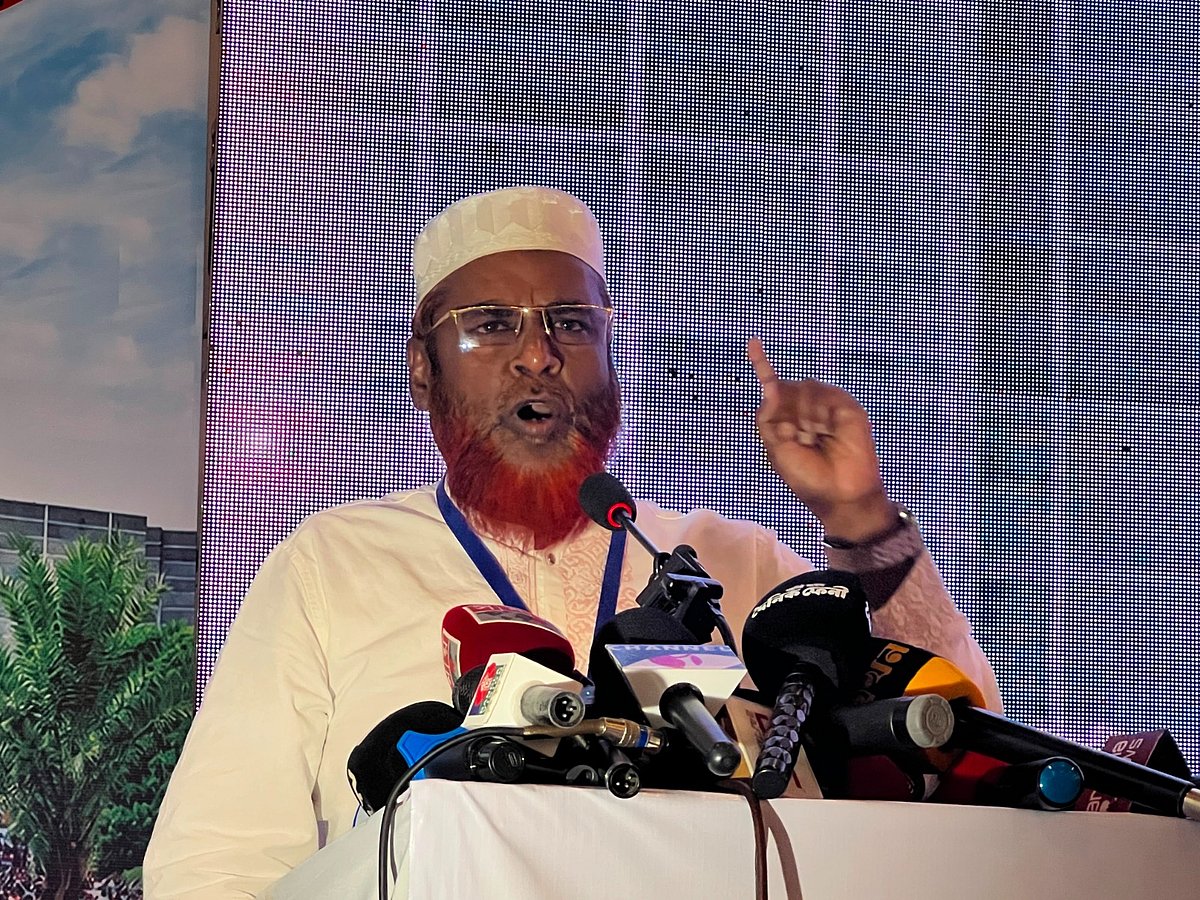
Miah Ghulam Parwar, Secretary General of Bangladesh Jamaat-e-Islami and a former Member of Parliament, has warned of simultaneous parliamentary and street-level protests if the "July Accord" is not respected. He stated that the BNP is deliberately ignoring the accord and the verdict of a referendum involving 120 million people, pushing the nation towards conflict. Parwar urged for parliamentary discussions and the formation of a special committee for constitutional reform. He asserted that if the issue is not resolved in parliament, Jamaat, alongside opposition parties and with the support of 70% of the public, will take to the streets. Parwar criticized the current government, suggesting they are forgetting the "July Uprising" which ousted a fascist regime, and accused the BNP of betraying the people by deviating from the spirit of that uprising and failing to incorporate its ideals into the constitution. He believes the BNP is reverting to fascist methods by not amending the constitution. The seminar, held in Feni, also featured Barrister Asaduzzaman Fuad, General Secretary of Amar Bangladesh (AB) Party, who echoed concerns about the government's failure to uphold its promises, including constitutional amendments and respecting referendum results. Fuad also highlighted disparities in public services, noting that while state officials seek foreign medical treatment, public hospitals suffer from doctor shortages, and similar issues plague the education sector. The event was attended by various leaders and activists from Jamaat, AB Party, National Citizen Party, Jagpa, and other allied parties.
This statement from Jamaat-e-Islami's Secretary General highlights a deep political divide and a struggle over constitutional interpretation and national narrative following a significant political event, referred to as the 'July Uprising' and 'July Accord.' The party's threat of dual-front protest—parliamentary and street-level—indicates a strategy to exert maximum pressure on the ruling coalition and opposition parties. The discourse suggests a contest over democratic legitimacy, with competing claims regarding public mandate and adherence to constitutional processes. The criticism leveled against both the government and the BNP points to a fragmented political landscape where alliances are fluid and trust is low. Future political stability in Bangladesh may depend on the ability of its political actors to reconcile differing interpretations of national will and to establish transparent, inclusive mechanisms for constitutional reform and governance, rather than resorting to confrontational tactics.
AI-generated to prompt reflection — not editorial opinion, not advice, not a statement of fact. How this works.