Jamaat-i-Islami Plans Nationwide Road Blockade Against Petroleum Levy
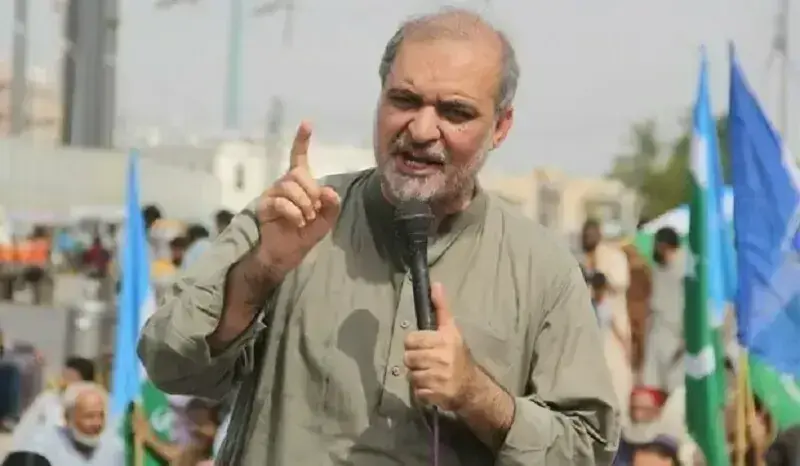
Jamaat-i-Islami Pakistan (JI) emir Hafiz Naeemur Rehman announced on Tuesday that the party will implement a nationwide highway blockade and sit-ins on August 7. This action is the second phase of their campaign against the petroleum levy and rising inflation. The government introduced a petroleum and carbon levy on June 14, 2025, as part of an agreement with the International Monetary Fund (IMF). The JI is demanding the immediate abolition of this levy, the cancellation of expensive contracts with independent power producers (IPPs), and effective measures to combat inflation and power outages.
Rehman stated that JI workers will stage sit-ins on roads connecting all districts, with only ambulances permitted to pass. To build support, the party plans to hold 20,000 corner meetings nationwide before August 7. He warned the government against suppressing the protest, suggesting it could escalate into a movement to overthrow the government. The JI also called for the restoration of food prices to pre-Iran-US conflict levels and criticized the daily adjustment of petroleum prices by the Oil and Gas Regulatory Authority (Ogra), calling it deceptive. Rehman asserted that removing the levy and taxes would reduce petrol prices below Rs200 per litre and urged rulers to cut their own privileges instead of burdening citizens.
The JI leader also criticized provincial governments, citing a 41% increase in poverty in Punjab over six years and alleging the Punjab Chief Minister sold schools and bought an aircraft. He also criticized Khyber Pakhtunkhwa lawmakers for granting themselves unlimited benefits. Rehman expressed concern over the deteriorating security situation in Khyber Pakhtunkhwa and Balochistan, advocating for dialogue. He welcomed reports of negotiations in Azad Kashmir and stated the JI had engaged in similar efforts without government response. The party plans to engage various societal segments to broaden support for their movement, which began after internal consultations and will continue until demands are met.
The Jamaat-i-Islami's planned nationwide blockade highlights public discontent with government fiscal policies, particularly the petroleum levy implemented under IMF conditionalities. The party's strategy of public mobilization, including extensive corner meetings and a call for youth participation, aims to exert significant pressure on the administration. Critiques of IPP contracts and provincial governance suggest a broader agenda addressing economic inefficiencies and perceived governmental overreach. The JI's approach, while framed as a protest against economic burdens, also carries political undertones, with warnings of escalating the movement if suppressed. Future governance models may need to balance fiscal requirements with public affordability and transparent contract management to mitigate such widespread opposition.
AI-generated to prompt reflection — not editorial opinion, not advice, not a statement of fact. How this works.