Jantar Mantar Protest Ends, Credit War Begins; New Parliamentary Battle Looms Over Exam Leaks
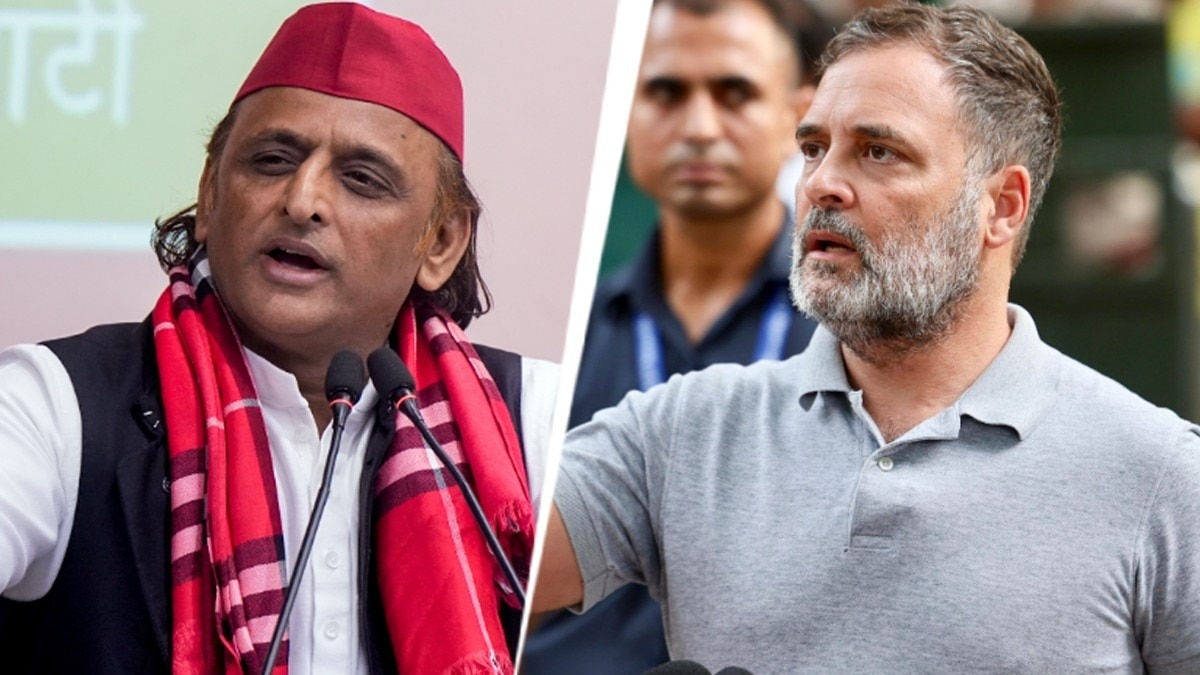
Following the resignation of Dharmendra Pradhan, the opposition is framing the end of the Jantar Mantar protest as a victory for students and is intensifying its attacks on the government. Although the demonstration at Jantar Mantar has concluded, the issue of paper leaks is poised to ignite a new political confrontation within the Parliament. Opposition parties are asserting that the government's actions, or lack thereof, directly led to the student protests. They are leveraging the situation to criticize the ruling party's handling of educational matters and accountability for examination irregularities. The government, conversely, may seek to frame the resignation as a proactive measure to address concerns, while potentially downplaying the extent of the paper leak issue or attributing it to isolated incidents. The upcoming parliamentary session is expected to feature heated debates as the opposition aims to capitalize on public sentiment and demand further action and transparency from the government regarding the integrity of competitive examinations.
The conclusion of the Jantar Mantar protest and the subsequent political discourse highlight a common dynamic where significant public demonstrations can trigger shifts in governmental accountability and opposition strategy. The framing of the event as a 'credit war' suggests that political actors are prioritizing narrative control and electoral advantage over a systemic resolution of examination integrity issues. This approach risks obscuring the root causes of paper leaks, which may involve complex governance failures, technological vulnerabilities, or entrenched corruption within educational systems. Moving forward, a focus on robust oversight mechanisms, transparent investigation processes, and technological safeguards will be crucial to rebuilding public trust and ensuring equitable access to educational and employment opportunities in the digital age. The challenge lies in transitioning from reactive political maneuvering to proactive, long-term systemic reforms.
AI-generated to prompt reflection — not editorial opinion, not advice, not a statement of fact. How this works.