Japan Balances Tourism Growth with Overtourism Concerns
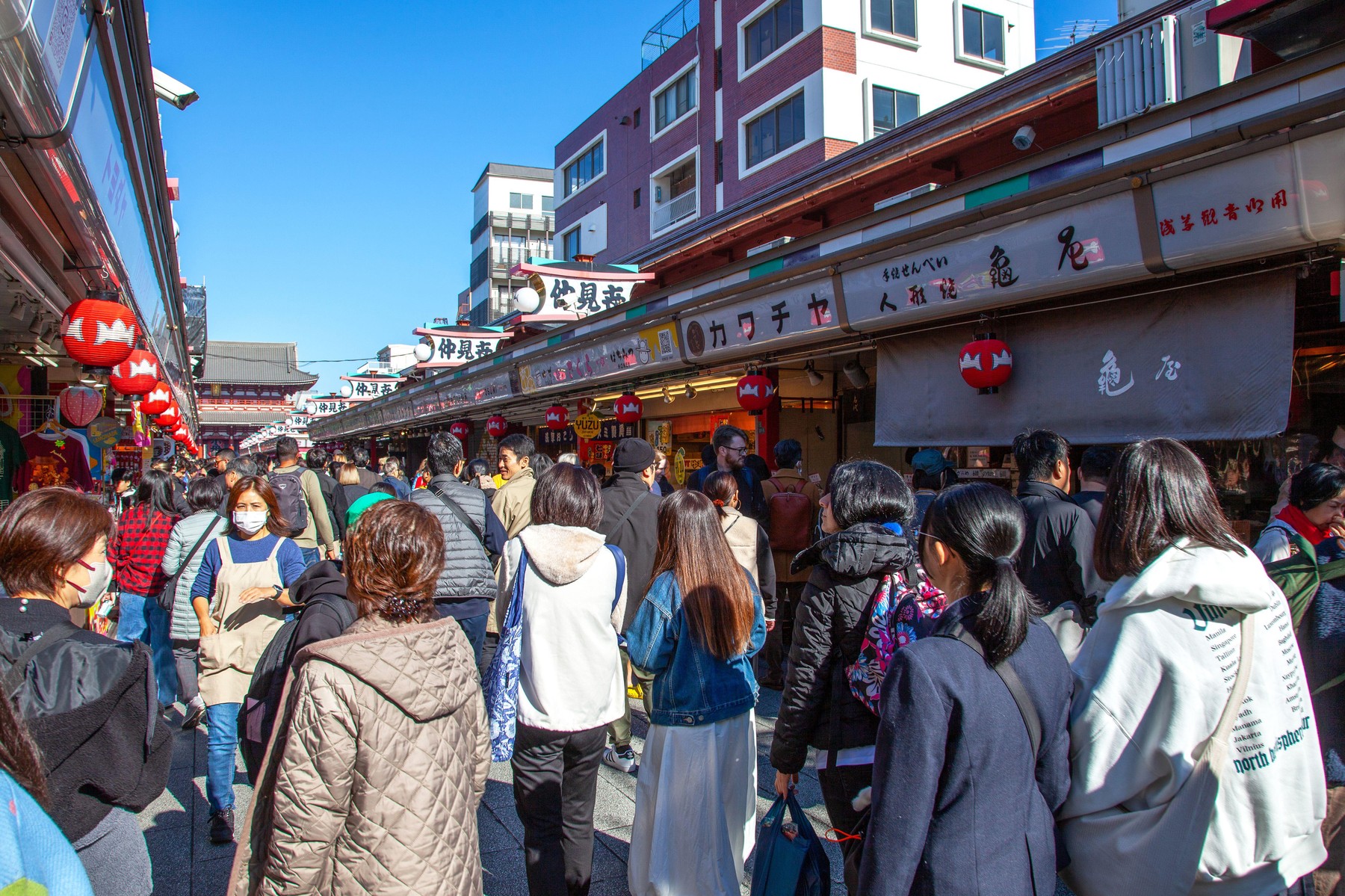
Japan is striving to find a balance between its goal of attracting more international tourists and the growing concerns surrounding overtourism. The country boasts numerous attractions, including the Himeji Castle, a spectacular 17th-century samurai fortress located on a hilltop in western Japan. Nicknamed the 'White Heron Castle' for its elegant white-plastered, tiered roofs, this architectural marvel is considered the most beautiful existing samurai fortress. It draws an impressive number of visitors, exceeding 1.5 million annually, according to The Guardian. While tourism is a significant economic driver, the influx of visitors presents challenges that the Japanese government and local communities are actively addressing to ensure sustainable tourism practices.
Japan's tourism strategy highlights a common global dilemma: maximizing economic benefits from visitor numbers while mitigating the negative externalities of overtourism. The nation's approach to managing sites like Himeji Castle, a significant cultural asset, will likely involve a combination of capacity management, visitor dispersal strategies, and potentially dynamic pricing or reservation systems. Future success will depend on integrating advanced data analytics to predict and manage visitor flows, ensuring that cultural heritage preservation and local quality of life are not compromised by the pursuit of tourism revenue in the long term. The challenge lies in creating a sustainable model that benefits both the economy and the preservation of Japan's unique heritage.
AI-generated to prompt reflection — not editorial opinion, not advice, not a statement of fact. How this works.