Japan Considers Naphtha Stockpiling Amid Supply Concerns, Recalling Past Duty Repeal
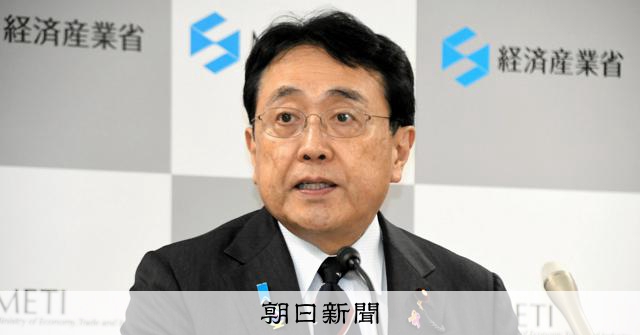
The Japanese government is considering the resumption of naphtha stockpiling due to growing concerns about supply stability. This move comes after the mandatory naphtha stockpiling obligation for businesses was abolished in the past. The historical context of this policy change is being revisited as the current geopolitical climate raises questions about energy security. Naphtha is a crucial component in the production of various petrochemicals and is essential for industries ranging from plastics to synthetic fibers. Ensuring a stable supply is therefore a priority for the Japanese economy. The government's reconsideration suggests a shift in policy perspective, acknowledging potential vulnerabilities in the current market structure. Further details regarding the scope and implementation of any new stockpiling measures are expected to be announced following thorough deliberation.
The Japanese government's contemplation of reinstating naphtha stockpiles reflects a strategic response to heightened global supply chain volatility, particularly in energy markets. This policy re-evaluation, occurring decades after the deregulation of such reserves, underscores a growing recognition of the systemic risks associated with over-reliance on just-in-time inventory models in critical sectors. The decision-making process will likely weigh the economic costs of maintaining reserves against the potential geopolitical and economic disruptions of supply shortfalls. Future policy will need to balance industrial competitiveness with national energy security imperatives in an increasingly unpredictable international landscape.
AI-generated to prompt reflection — not editorial opinion, not advice, not a statement of fact. How this works.