Japan Doubles Prices for Foreign Tourists to Manage Overtourism
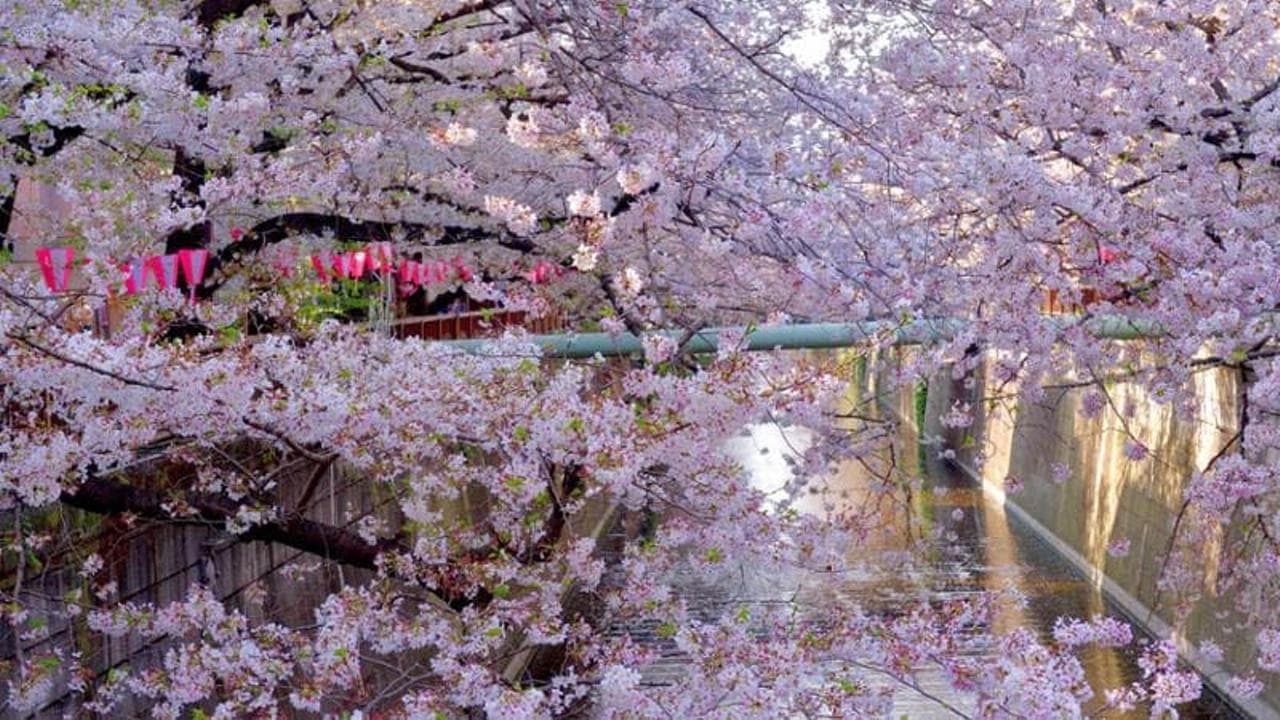
Japan's government is implementing a strategy to manage overtourism by doubling prices for foreign visitors. The country aims to attract 60 million international travelers by the end of the decade. To fund the necessary infrastructure to accommodate this influx, the government plans to shift a greater financial burden onto these tourists. This move is intended to help mitigate the negative impacts of mass tourism while still pursuing ambitious visitor targets. The increased costs are expected to contribute to the development and maintenance of facilities and services required for a larger tourist population. This policy reflects a growing global concern about the sustainability of popular tourist destinations.
Japan's dual strategy of aggressively pursuing high international visitor numbers while simultaneously increasing costs for tourists presents a complex governance challenge. This approach seeks to balance economic benefits from tourism with the need for sustainable infrastructure development and the preservation of local quality of life. The policy's success will hinge on whether the price increase effectively funds necessary improvements without deterring the desired visitor volume, or if it inadvertently creates a perception of exclusivity. Examining the long-term implications requires considering how such pricing models might evolve in an era where digital platforms increasingly influence travel choices and destination accessibility.
AI-generated to prompt reflection — not editorial opinion, not advice, not a statement of fact. How this works.