Japan Earthquake: Death Toll Rises to 13, Rescue Efforts Continue
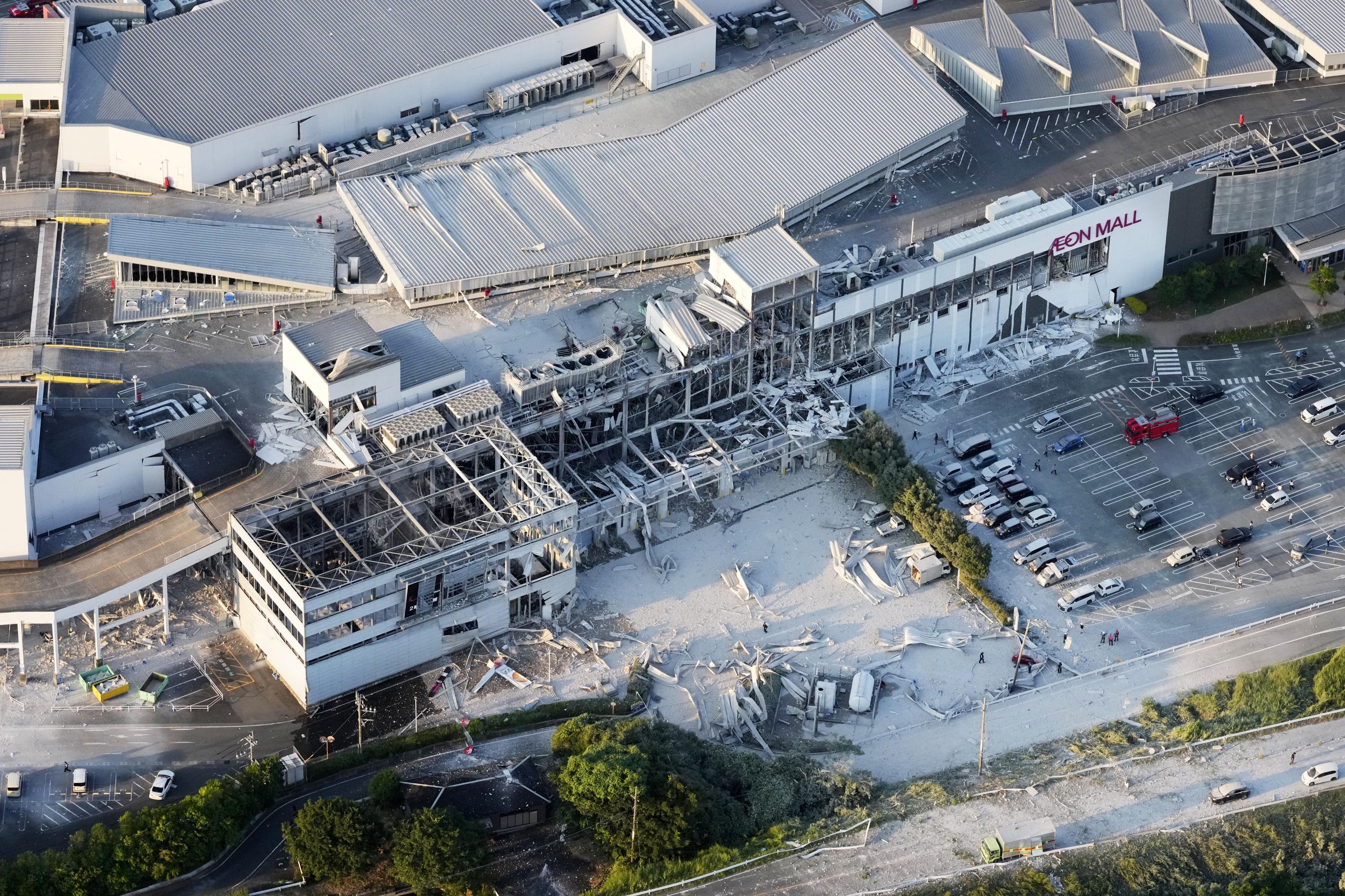
The death toll from a magnitude 7.1 earthquake that struck Kumamoto province in southern Japan has risen to 13. Rescue teams began their second day of searching for victims on Wednesday, April 29th, with seven people still missing. A key focus of the rescue operations is the Aeon Mall in Kashima city, where a portion of the second floor collapsed during the earthquake, followed by an explosion that damaged the structure. Authorities are investigating a potential gas leak as the cause of the explosion. Employees reported smelling gas upon returning to their stores after customers were evacuated, and a merchant described hearing an explosion "like a bomb" about an hour later.
Reports indicate people are trapped in the rubble of collapsed homes, and a chimney collapse at the Nippon Paper Industries factory in Yatsushiro also trapped workers. In Kagoshima, at least 30 people were injured, with one hospital in Yatsushiro receiving approximately 40 injured individuals and another 50 taken to a hospital in the provincial capital. Firefighters, police, and members of the Self-Defense Forces searched the mall overnight, prioritizing areas with distress calls. The earthquake also caused damage to roads, bridges, and buildings, along with fires and power outages in some areas. Approximately 300,000 people were advised to evacuate their homes and seek shelter, and aftershocks continue to be recorded. The Japan Meteorological Agency warned residents in affected areas to remain vigilant for further strong tremors and potential landslides in the coming days. No irregularities were reported at regional nuclear power plants.
The earthquake in Kumamoto province highlights the persistent vulnerability of infrastructure to seismic events, even in technologically advanced nations. The incident at the Aeon Mall, involving a collapse followed by an explosion, underscores the complex cascading risks that can emerge from natural disasters, including potential secondary hazards like gas leaks and structural failures. The extensive damage to roads, bridges, and buildings, coupled with widespread evacuations, points to significant societal and economic disruption. Moving forward, a critical focus for Japan and other seismically active regions will be on enhancing building codes, improving early warning systems, and developing more resilient infrastructure capable of withstanding not only the primary seismic forces but also the subsequent risks, ensuring that disaster response mechanisms are robust and that communities can recover more effectively in the face of increasing climate and geological uncertainties.
AI-generated to prompt reflection — not editorial opinion, not advice, not a statement of fact. How this works.