Japan Earthquake Death Toll Rises to 23, Rescue Efforts Continue
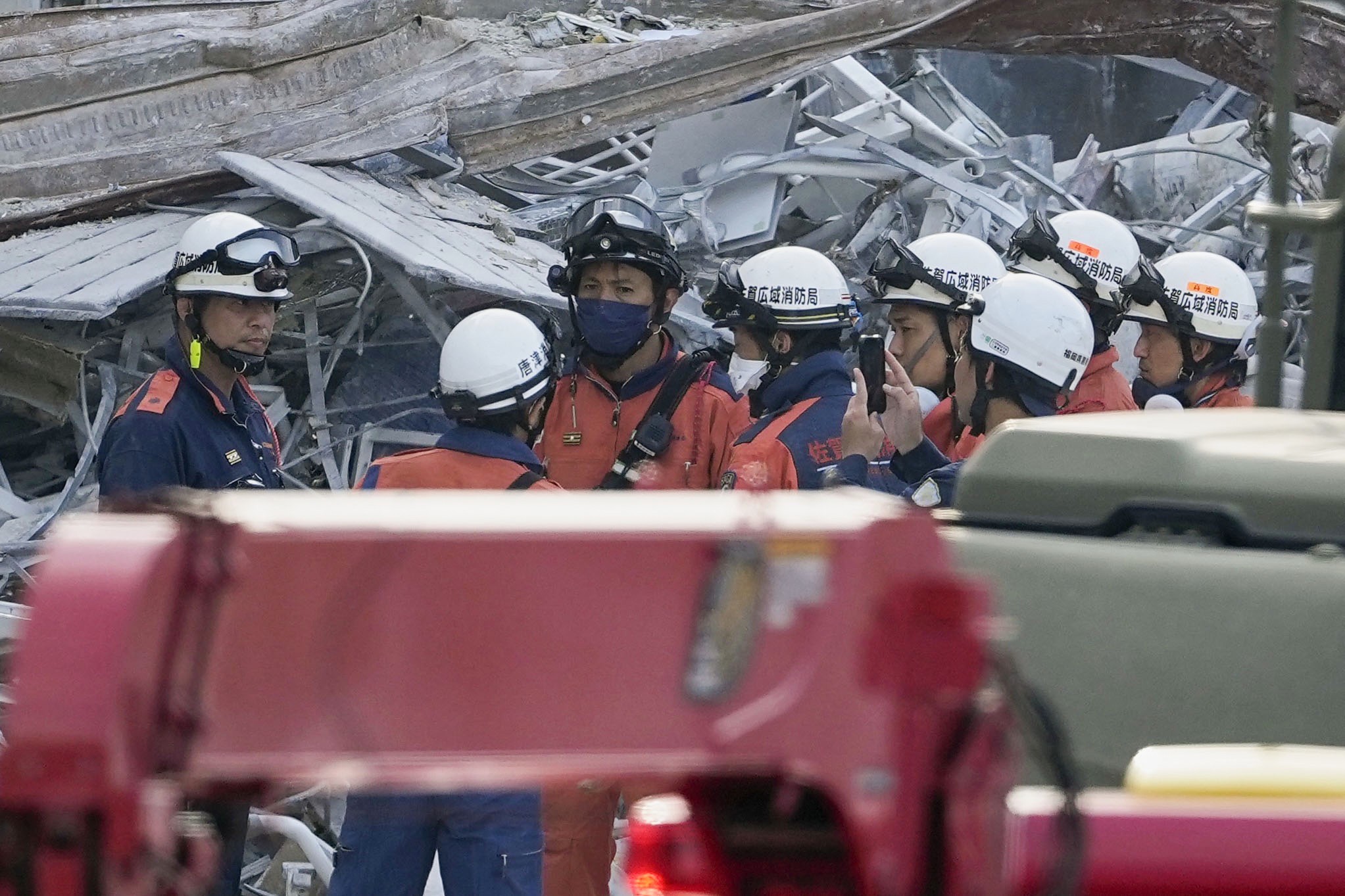
Rescue efforts are ongoing in southwestern Japan as communities work to recover from a powerful magnitude 7.1 earthquake that struck the island of Kyushu on Tuesday, July 28th. The seismic event has claimed at least 23 lives, with authorities warning the toll could rise to 28 as investigations continue. The earthquake caused significant damage, including an explosion at an AEON Mall in Kashima, the collapse of a factory chimney in Yatsushiro, and the destruction of homes. At least 63 people were injured, with five in serious condition. Thousands of residents spent a second night in evacuation centers, with many homes still without electricity or running water. Concerns are also mounting over public health due to intense heat, with temperatures expected to reach 33°C in Kumamoto, prompting a heatstroke warning. The earthquake's impact was particularly severe at the AEON Mall, where the second floor collapsed, trapping shoppers and workers. Six fatalities were confirmed at the mall, with six individuals rescued from the rubble succumbing to their injuries. At the Nippon Paper Industries factory, ten people were rescued from the collapsed chimney, but eight died, and one person remains missing. While Japan has stringent building codes for seismic activity, many traditional homes in the affected region are more vulnerable to strong tremors.
The earthquake in Japan highlights the persistent vulnerability of critical infrastructure and public spaces to natural disasters, even in seismically prepared nations. The event underscores the trade-offs between traditional architectural styles, which may offer cultural value, and modern, resilient construction methods. As climate change intensifies weather events and seismic risks remain, urban planning and building regulations will need to balance safety, cost, and cultural heritage. The response efforts, while robust, also reveal the challenges in providing immediate and sustained support, including power and water, to affected populations, particularly in the face of extreme weather conditions. Future resilience strategies should consider integrated systems that can withstand both seismic and climate-related shocks, ensuring continuity of essential services and minimizing long-term societal disruption.
AI-generated to prompt reflection — not editorial opinion, not advice, not a statement of fact. How this works.