Japan Earthquake: Fears of Deaths in Collapsed Mall, Aftershocks Hit Kumamoto
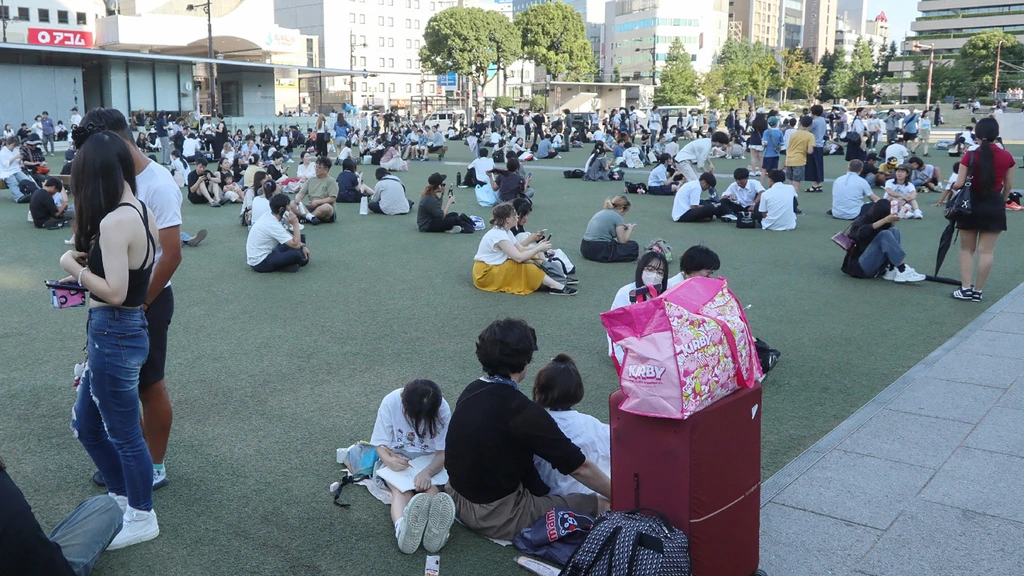
A powerful magnitude 7.1 earthquake struck Japan's southern island of Kyushu on Tuesday, causing widespread damage and prompting fears of fatalities. In the city of Kashima, ten people are missing after a shopping center partially collapsed due to a gas explosion that followed the main tremor. Rescue efforts are underway in the rubble, with authorities confirming deaths but not specifying a number. At least four individuals have been rescued from the mall, which houses over 200 businesses, including shops, restaurants, and a cinema. The center had recently reopened after renovations designed to withstand seismic activity, and it was particularly crowded due to a national holiday. Earlier, reports indicated 20 to 30 people were missing before the gas explosion occurred during an evacuation attempt. Separately, nine people are reported missing at a paper factory after a chimney collapse, and two individuals suffered cardiac arrest. Hospitals in the Kumamoto region have admitted hundreds of injured, including critical cases, though exact figures are unavailable. Some medical facilities experienced power outages or structural damage, hindering treatment. The earthquake also triggered fires, damaged roads and bridges, and left tens of thousands of households without electricity or water.
The seismic events in Kyushu highlight the ongoing challenge of disaster preparedness in earthquake-prone regions, even with advanced building codes. The sequence of events—a major quake followed by a gas explosion and partial building collapse—underscores the cascading risks that can amplify initial damage. While rescue operations are critical, the situation also points to systemic vulnerabilities in infrastructure and emergency response, particularly concerning the resilience of essential services like power and water during widespread seismic activity. Future resilience strategies may need to integrate more robust, decentralized utility systems and enhanced protocols for managing secondary hazards like gas leaks and structural failures in densely populated commercial areas.
AI-generated to prompt reflection — not editorial opinion, not advice, not a statement of fact. How this works.