Japan Earthquake: Rescuers Search for Survivors as Death Toll Climbs to 13
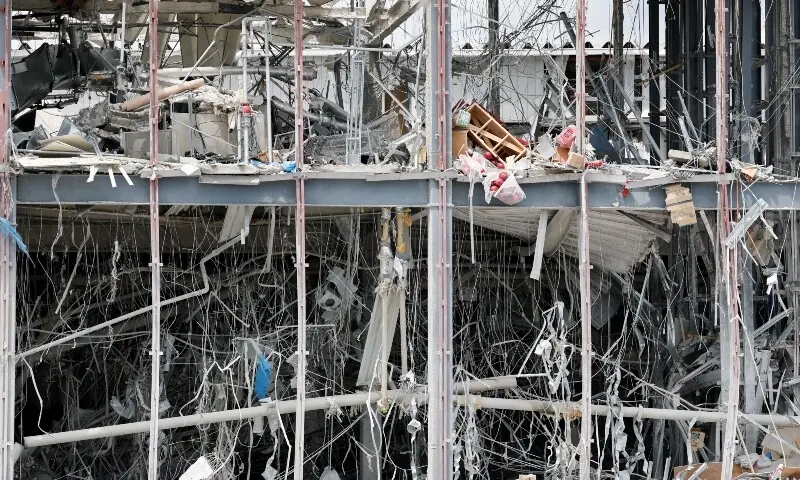
A powerful 7.1-magnitude earthquake struck southern Japan on Wednesday, claiming at least 13 lives and causing widespread damage, including the collapse of a shopping mall. Rescuers frantically searched for survivors in the rubble of the Aeon mall near Kumamoto, where an apparent explosion occurred shortly after the initial quake. Eight people were pulled from the mall's debris, but three of them later died. Aeon reported that four of its workers at the Kumamoto shopping center remain unaccounted for, out of approximately 2,700 staff members, while customers had been evacuated. Prime Minister Sanae Takaichi pledged to deploy all available resources for rescue operations. Authorities are investigating the possibility of a gas explosion at the mall, with emergency teams reporting the smell of gas inside. Around 170 army personnel and more than 4,500 soldiers are assisting in recovery efforts across the quake-stricken region. Seven people are missing after a chimney collapse at a Nippon Paper Industries factory, and four others sustained serious injuries. Hospitals are treating dozens of patients, with some facilities overwhelmed and suspending admissions due to power outages and damage. Around 260,000 people were advised to evacuate to shelters. The earthquake's epicenter was near Kumamoto City, a major urban center on Kyushu island. Infrastructure damage includes cracked roads, buckled bridges, and damaged buildings. Companies like Renesas Electronics, Sony, Tokyo Electron, Honda, and Toyota have suspended operations at their plants in the affected area or nearby regions. TSMC evacuated its local plant but has begun resuming operations. Japan, situated on the Pacific Ring of Fire, experiences frequent seismic activity. This event follows a devastating earthquake in Kumamoto a decade ago that resulted in 275 fatalities.
The 7.1-magnitude earthquake in Kumamoto highlights the critical importance of robust disaster preparedness and infrastructure resilience in seismically active zones. The dual impact of the earthquake and the subsequent apparent explosion at the Aeon mall underscores the complex, cascading risks that can emerge during such events, necessitating multi-hazard response protocols. The strain on hospital resources and the widespread power outages reveal vulnerabilities in critical public services, emphasizing the need for redundant systems and rapid restoration capabilities. Furthermore, the disruption to manufacturing operations, including major players like Toyota and TSMC, demonstrates the significant economic repercussions of natural disasters, impacting global supply chains. Future planning should integrate advanced early warning systems, resilient infrastructure design, and comprehensive emergency response training to mitigate loss of life and economic damage in the face of inevitable seismic events.
AI-generated to prompt reflection — not editorial opinion, not advice, not a statement of fact. How this works.