Japan Earthquake Survivors Endure Sweltering Heat in Cars as Death Toll Reaches 34
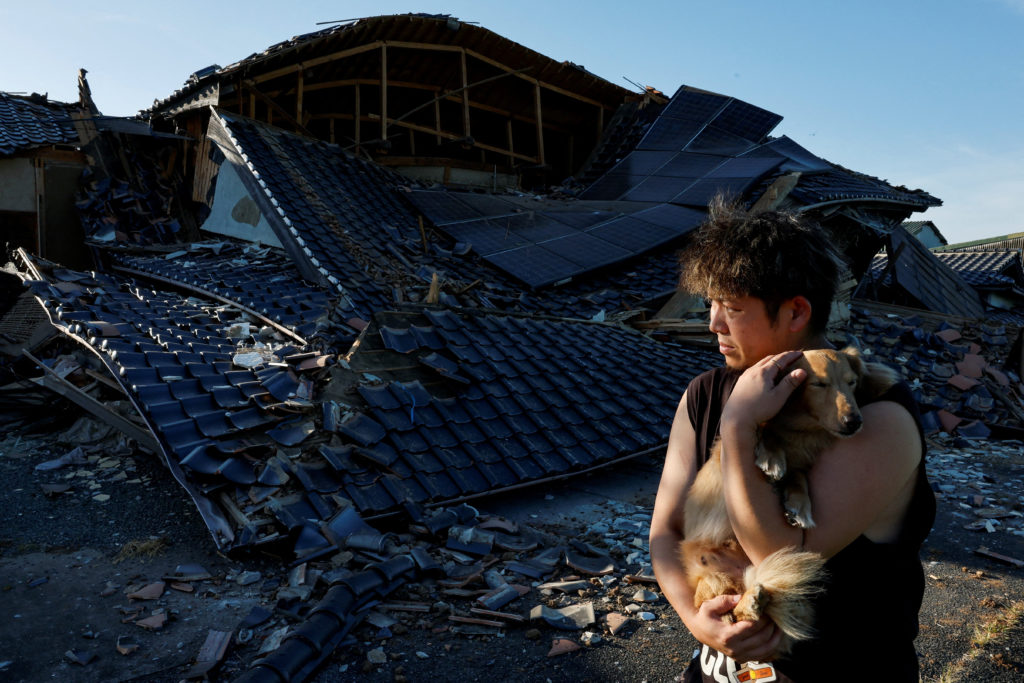
Survivors of a powerful earthquake in southwestern Japan are facing extreme conditions, sleeping in their cars amidst sweltering heat as the death toll has climbed to 34. Rescue efforts are intensifying as search teams work to locate individuals still unaccounted for following the seismic event. The earthquake caused significant destruction, including a mall explosion, the collapse of a factory chimney, and the flattening of numerous homes. The challenging weather conditions add another layer of hardship for those who have already lost their homes and livelihoods. Authorities are working to provide aid and shelter to the affected population, but the scale of the disaster presents ongoing logistical and humanitarian challenges. The focus remains on the critical search and rescue operations while also addressing the immediate needs of the displaced.
The devastating earthquake in southwestern Japan highlights the critical need for robust disaster preparedness and response infrastructure, particularly in regions prone to seismic activity. The juxtaposition of a rising death toll and survivors enduring harsh weather conditions underscores the complex challenges faced by affected communities. This event prompts consideration of how urban planning, building codes, and emergency services can be further strengthened to mitigate the impact of future natural disasters. Furthermore, the incident raises questions about the long-term resilience of infrastructure and the psychological toll on survivors, emphasizing the importance of sustained support beyond immediate rescue operations. The global community's response, in terms of aid and knowledge sharing, will be crucial in aiding Japan's recovery and informing disaster management strategies worldwide.
AI-generated to prompt reflection — not editorial opinion, not advice, not a statement of fact. How this works.