Japan Embraces Shorts in Office to Combat Heat and Cut Energy Use
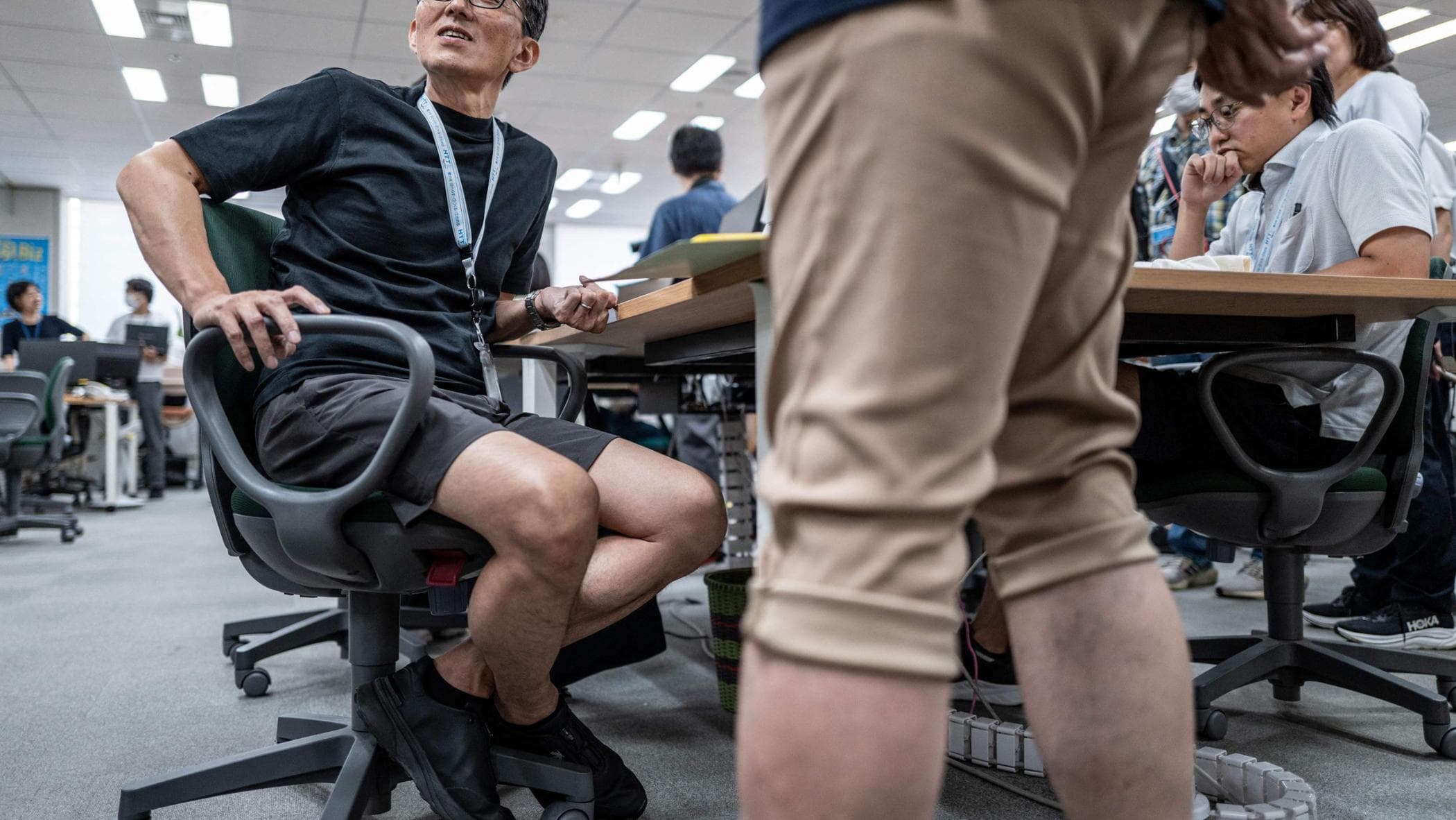
Tokyo's administration has authorized the wearing of shorts in the workplace for the first time, a move aimed at addressing increasingly scorching summers and reducing energy consumption. This policy shift seeks to mitigate the impact of rising temperatures while also potentially lowering electricity bills associated with air conditioning. However, the introduction of shorts as acceptable office attire has sparked a division among workers. The change has reignited debates concerning workplace decorum, gender equality, and the appropriateness of established dress codes. While some employees welcome the relaxed attire as a practical response to heat, others express concerns about professionalism and the potential erosion of traditional workplace standards. The discussion highlights the evolving nature of work environments and the challenges of balancing comfort, sustainability, and established professional norms.
The decision by Tokyo's administration to permit shorts in the office reflects a pragmatic response to the intensifying effects of climate change and the imperative for energy conservation. This policy shift acknowledges the direct link between ambient temperature, worker comfort, and energy expenditure, particularly concerning air conditioning. The ensuing debate among employees underscores a broader societal tension between traditional notions of professional appearance and the adaptation of workplace norms to contemporary environmental and economic realities. As organizations globally navigate the dual pressures of sustainability mandates and employee well-being, such dress code evolutions represent a microcosm of the larger systemic adjustments required in the coming decade. The challenge lies in establishing flexible frameworks that respect diverse perspectives on professionalism while prioritizing tangible outcomes like reduced carbon footprints and enhanced employee productivity in a warming world.
AI-generated to prompt reflection — not editorial opinion, not advice, not a statement of fact. How this works.