Japan Enforces Stricter Dangerous Driving Laws from July 21
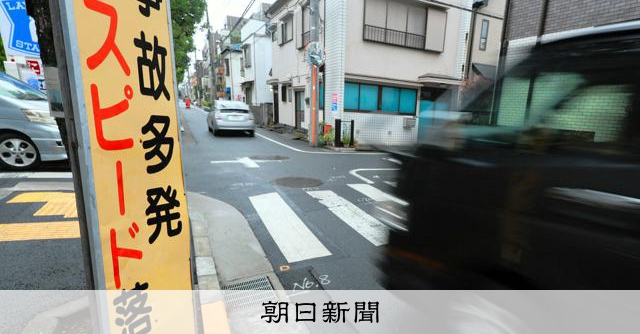
Japan is implementing revised dangerous driving laws, effective July 21st. The new regulations will broaden the scope of what constitutes dangerous driving. Previously, specific blood alcohol concentration (BAC) limits were the primary benchmark. However, the amended law stipulates that drivers can be penalized even if their BAC is below the established threshold. This change aims to address driving behaviors that, while not exceeding legal BAC limits, are still deemed unsafe and pose a risk to public safety. The revision underscores a shift towards a more comprehensive approach to road safety, focusing on actual driving conduct rather than solely on numerical legal limits. Authorities hope this will lead to a reduction in traffic accidents caused by impaired or reckless driving.
The revised dangerous driving laws in Japan reflect a global trend toward more holistic road safety measures. By expanding the definition of dangerous driving beyond strict BAC limits, authorities are acknowledging that impairment and risk can manifest in various ways. This approach allows for greater discretion in penalizing unsafe behavior, potentially increasing accountability for drivers whose actions jeopardize public safety, even if they technically remain within legal numerical boundaries. The long-term impact will depend on consistent enforcement and public awareness campaigns to educate drivers about the broader implications of the new standards.
AI-generated to prompt reflection — not editorial opinion, not advice, not a statement of fact. How this works.