Japan Establishes National Intelligence Council for Enhanced Decision-Making
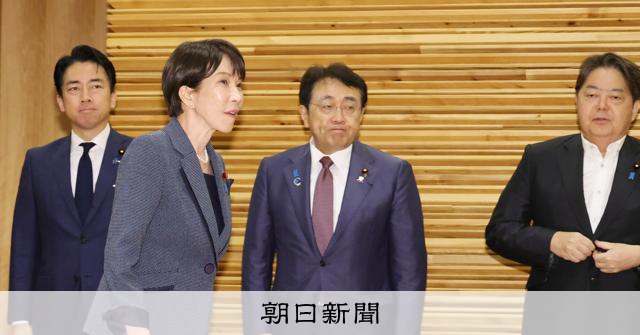
The Japanese government has convened the inaugural meeting of its newly established National Intelligence Council. Defense Minister Minoru Kihara, who attended the session, expressed optimism that the council will contribute to "accurate decision-making." The formation of this council signifies a strategic move by the government to centralize and improve the analysis and utilization of intelligence information. This initiative aims to strengthen the nation's capacity to respond to complex domestic and international challenges. The council is expected to play a crucial role in providing timely and relevant intelligence to policymakers. Its establishment reflects a growing recognition of the importance of integrated intelligence gathering and assessment in the current geopolitical landscape. The government anticipates that this structured approach will lead to more informed and effective policy formulation across various sectors. Further details on the council's specific mandate and operational procedures are expected to be released.
The establishment of a National Intelligence Council in Japan represents a structural effort to consolidate and refine intelligence processing for governmental decision-making. This move likely stems from an assessment of evolving geopolitical risks and the need for more cohesive national security strategies. By creating a dedicated body, the government aims to mitigate potential information silos and enhance the speed and accuracy of intelligence dissemination to leadership. The council's effectiveness will hinge on its ability to foster inter-agency cooperation and maintain impartiality, ensuring that intelligence assessments are objective and free from political influence. In the long term, such institutional frameworks are critical for navigating complex global dynamics and adapting to future threats, particularly in an era increasingly shaped by information warfare and technological advancements.
AI-generated to prompt reflection — not editorial opinion, not advice, not a statement of fact. How this works.