Japan Establishes New Disaster Management Agency: Key Changes Explained
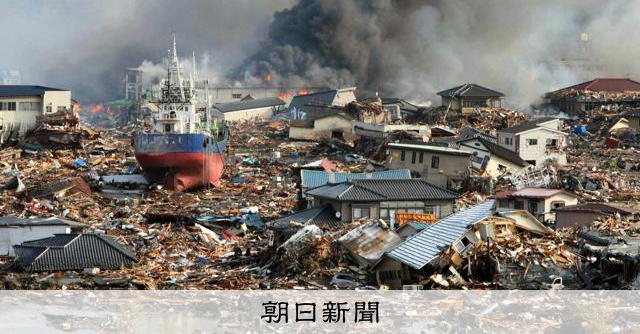
Japan is set to establish a new Disaster Management Agency, marking a significant shift in the nation's approach to disaster preparedness and response. A central tenet of the new agency's strategy will be a greater emphasis on "proactive" measures, moving away from reactive responses. This proactive stance aims to anticipate and mitigate risks before they escalate into full-blown crises. One notable change highlighted is the move to eliminate "zashine" or communal sleeping arrangements in evacuation centers. This suggests a focus on improving the dignity and comfort of individuals displaced by disasters. The new agency is expected to streamline disaster management efforts, potentially consolidating functions previously spread across various government bodies. The restructuring signifies a commitment to enhancing resilience and ensuring more effective support for affected populations. Further details on the agency's specific powers, budget, and operational framework are anticipated as the establishment process moves forward.
The creation of a new Disaster Management Agency in Japan reflects a global trend toward strengthening national resilience in the face of increasing climate-related and seismic risks. By prioritizing proactive measures and improving evacuation conditions, the agency aims to address systemic vulnerabilities exposed by past events. This strategic pivot from reactive to anticipatory disaster management could optimize resource allocation and minimize long-term societal and economic impacts. The focus on dignity in shelters, while seemingly minor, addresses a crucial aspect of human security and psychological well-being during crises, potentially fostering greater community cooperation and trust in public institutions. Over the next decade, the success of this agency will likely be measured by its ability to integrate advanced data analytics and predictive modeling into its operations, thereby enhancing its "proactive" capabilities and demonstrating a robust governance framework capable of adapting to evolving threats.
AI-generated to prompt reflection — not editorial opinion, not advice, not a statement of fact. How this works.