Japan Experiences Brutally Hot Days Amid Rising Temperatures
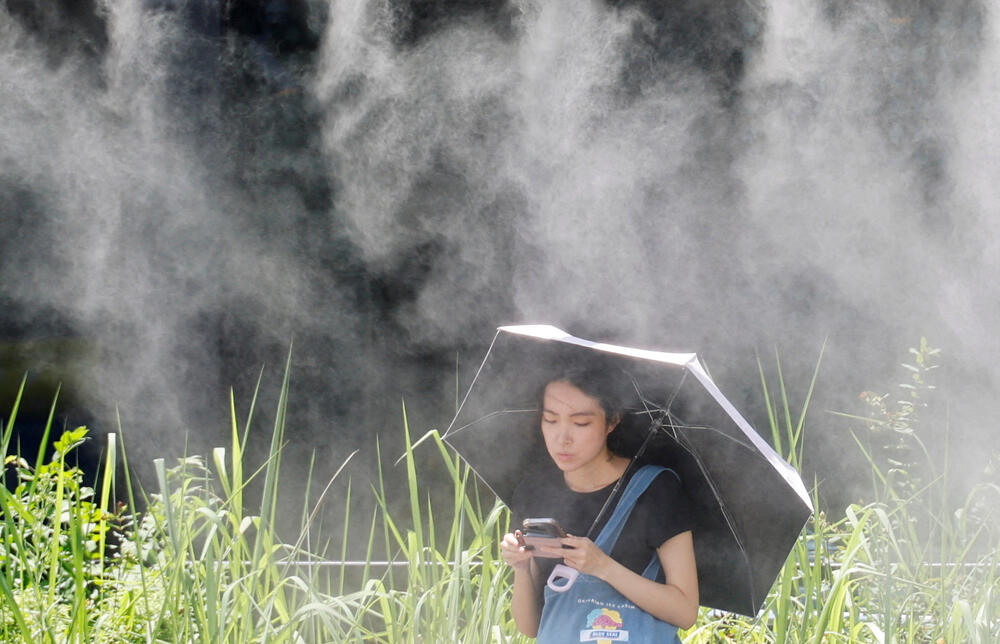
Japan is currently experiencing "brutally hot" days as the country grapples with increasingly severe summers. This trend has been evident in recent years, with the nation recording its highest temperature ever last year. On that occasion, the thermometer registered a scorching 41.8 degrees Celsius. The extreme heat signifies a concerning pattern of escalating summer temperatures in Japan. This phenomenon highlights the growing impact of climate change on the region, leading to record-breaking heatwaves. The situation underscores the need for adaptation and mitigation strategies to address the challenges posed by these intense weather events.
The current extreme heat in Japan, marked by "brutally hot" days and record temperatures, reflects a broader global trend of intensifying summer weather patterns. This phenomenon is consistent with projections of climate change impacts, which suggest more frequent and severe heatwaves. The historical data, including last year's record of 41.8 degrees Celsius, indicates a clear upward trajectory in average temperatures. From a systems perspective, this situation poses significant challenges for public health, infrastructure resilience, and energy demand. The long-term implications may necessitate substantial societal and infrastructural adaptations to cope with a permanently altered climate regime, prompting consideration of urban planning, energy policies, and public health preparedness for sustained high-temperature events.
AI-generated to prompt reflection — not editorial opinion, not advice, not a statement of fact. How this works.