Japan Faces Housing Surplus as Vacancy Rates Rise
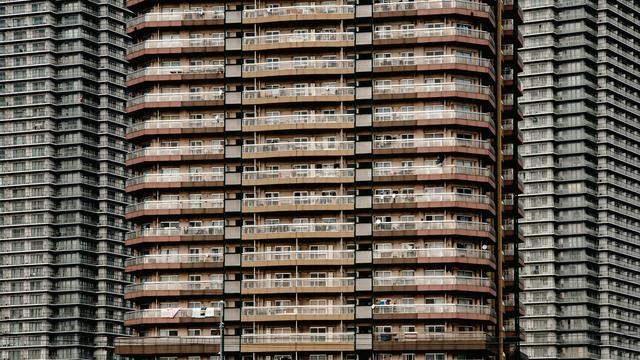
Japan is experiencing a significant increase in vacant properties, with one in seven homes now empty. This demographic trend, driven by a declining and aging population, is leading to an oversupply of housing. While this might seem like a positive development, it presents complex challenges for the Japanese economy and society. The surplus housing stock impacts property values, potentially leading to economic instability in affected regions. Furthermore, the increasing number of abandoned homes, known as 'akiya,' poses environmental and safety concerns. Local governments are grappling with how to manage these empty properties, exploring options such as demolition, renovation, or repurposing. The situation in Japan offers a preview of potential future challenges for countries like Germany, which are also facing similar demographic shifts. The long-term implications for urban planning, real estate markets, and social infrastructure are substantial.
Japan's rising housing vacancy rate, driven by demographic shifts, highlights a growing global challenge. As populations decline and age, the oversupply of residential properties can destabilize real estate markets and strain local economies. The phenomenon of 'akiya' (vacant homes) necessitates proactive governance to address potential environmental hazards and urban decay. This situation underscores the need for forward-thinking urban planning and economic strategies that can adapt to evolving demographic realities. Future policy discussions should consider incentives for renovation, adaptive reuse of properties, and potentially new models of community living to mitigate the negative impacts of widespread vacancies and ensure sustainable development.
AI-generated to prompt reflection — not editorial opinion, not advice, not a statement of fact. How this works.