Japan Faces Wave of Discarded Refrigerants as COVID-19 Demand Fades
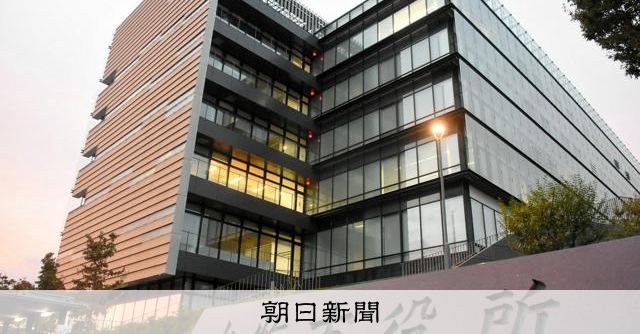
Japan is anticipating a significant surge in the disposal of products containing fluorocarbons, which experienced a boom in demand during the COVID-19 pandemic. Many of these items, including refrigerators and air conditioners, are now reaching the end of their lifespan and require proper disposal. Local governments are preparing to address this challenge, with some municipalities planning to implement their own door-to-door collection services for these regulated items. This initiative aims to ensure that the refrigerants, which are potent greenhouse gases, are handled in an environmentally responsible manner. The disposal of fluorocarbons is subject to strict regulations due to their significant impact on global warming. Without proper collection and treatment, these gases could be released into the atmosphere, exacerbating climate change. The upcoming wave of waste is expected to test the capacity of existing recycling infrastructure and waste management systems across the country. Municipalities are urging residents to cooperate with collection efforts and to be aware of the proper procedures for disposing of appliances containing refrigerants. The situation highlights the long-term environmental consequences of short-term consumer demand and the need for robust waste management strategies for emerging environmental challenges.
The anticipated surge in discarded fluorocarbon-containing products presents a complex environmental and logistical challenge for Japan. While the COVID-19 pandemic fueled demand for certain appliances, the subsequent disposal phase underscores a systemic issue of product lifecycle management and greenhouse gas emissions. Local governments stepping in with direct collection services indicates a proactive, albeit potentially costly, approach to mitigate environmental risks associated with refrigerants. This situation highlights the tension between immediate consumer needs, often driven by economic or health crises, and the long-term imperative of sustainable waste management and climate action. Future policy may need to incentivize manufacturers for extended product durability and more efficient end-of-life recycling processes to preemptively address such 'demand booms' and their environmental aftermath.
AI-generated to prompt reflection — not editorial opinion, not advice, not a statement of fact. How this works.