Japan Finance Minister Says US Offered 'Support Beyond Moral Support' Amid Yen Intervention Speculation
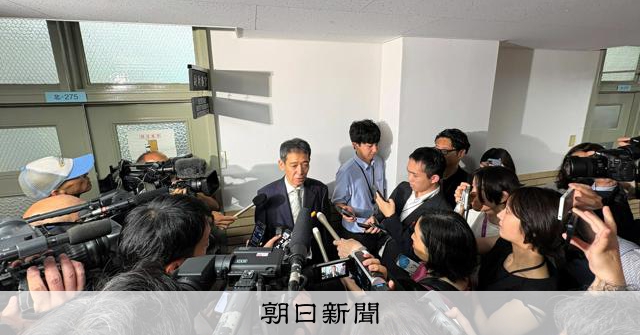
Japan's top currency official, Vice Minister of Finance for International Affairs Masato Kanda, stated that U.S. authorities offered support to Japan that went beyond mere moral encouragement. This statement comes amid heightened speculation that Japan intervened in currency markets to support the yen. The yen has experienced a sharp and rapid appreciation in recent trading sessions. Kanda's remarks suggest a level of coordination or understanding between the U.S. and Japan regarding currency market stability. While the specifics of the U.S. support were not detailed, the phrasing implies a more active stance than simple diplomatic backing. The market is closely watching for any further signs of intervention or policy shifts from Japanese authorities. The yen's recent volatility has been a significant concern for policymakers aiming to maintain economic stability. This development could signal a shift in how major economies address currency fluctuations.
The Japanese government's communication regarding U.S. support amid yen volatility highlights the complex interplay between national currency management and international economic relations. The framing of U.S. assistance as 'beyond moral support' suggests potential coordination on currency intervention strategies, a move often viewed with caution by trading partners. Such actions can influence global capital flows and asset valuations, prompting scrutiny of the underlying economic conditions and policy objectives driving them. In the context of an evolving global financial landscape, understanding the incentives for coordinated currency management versus independent policy decisions becomes crucial for market participants and policymakers alike. This situation underscores the ongoing challenge of balancing domestic economic stability with international financial order, particularly as technological advancements continue to reshape market dynamics.
AI-generated to prompt reflection — not editorial opinion, not advice, not a statement of fact. How this works.