Japan Government to Use AI to Combat Fraudulent Calls, Considering Communication Monitoring
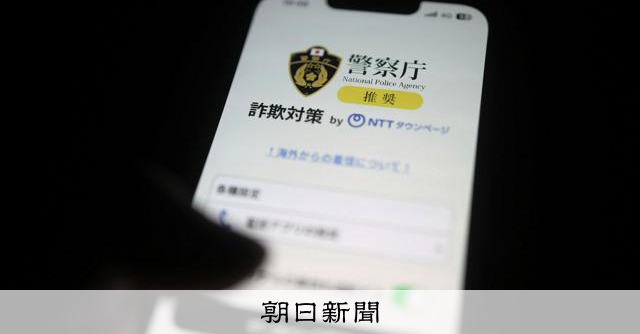
The Japanese government is developing urgent measures to combat fraudulent phone calls, including the utilization of artificial intelligence for analysis. A key aspect of this initiative involves exploring the possibility of monitoring communication content to better understand and prevent these scams. The specific details of the AI analysis and the extent of communication monitoring are still under consideration.
This move comes in response to the persistent problem of fraudulent phone calls, which often target vulnerable individuals. By leveraging AI, authorities aim to identify patterns, origins, and methods used by fraudsters more effectively. The potential for communication monitoring suggests a deeper dive into the nature of these calls, though privacy concerns and legal frameworks will likely be significant factors in its implementation. The government is committed to finding innovative solutions to protect its citizens from financial loss and distress caused by these deceptive practices.
The Japanese government's initiative to employ AI for analyzing fraudulent calls and potentially monitoring communications reflects a growing global trend of using advanced technology to combat evolving criminal activities. This approach acknowledges the limitations of traditional methods against sophisticated scams. The consideration of communication monitoring, while offering potential for enhanced detection, raises important questions about data privacy, civil liberties, and the legal standards required for such surveillance. Balancing security imperatives with fundamental rights will be crucial. This strategy highlights the ongoing tension between technological enablement and regulatory oversight in the digital age, prompting a need for robust ethical guidelines and transparent governance frameworks to ensure public trust and prevent misuse of such powerful tools.
AI-generated to prompt reflection — not editorial opinion, not advice, not a statement of fact. How this works.