Japan Heat Wave Causes Seven Deaths and Thousands of Hospitalizations
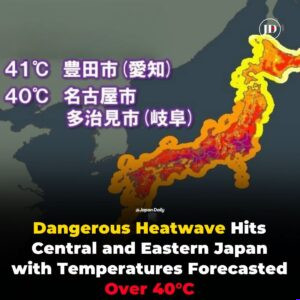
A severe heat wave has gripped Japan, resulting in seven fatalities and the hospitalization of thousands of individuals. Government data released this week indicates that between July 6 and July 12, the Fire and Disaster Management Agency reported that 4,580 people were transported to hospitals via ambulance due to heat-related illnesses. This surge in heat-related emergencies highlights the significant impact of extreme weather conditions on public health. The affected population likely includes vulnerable groups such as the elderly and those with pre-existing health conditions, who are more susceptible to the dangers of high temperatures. Authorities are likely urging residents to take precautions, stay hydrated, and avoid prolonged exposure to the sun during this period of intense heat. The scale of hospitalizations suggests a considerable strain on healthcare resources in the affected regions. Further details on the demographics of those affected and the specific locations experiencing the highest number of cases are expected to be released.
The extreme weather event in Japan underscores the increasing vulnerability of densely populated areas to climate change impacts. The significant number of hospitalizations points to potential gaps in public health infrastructure and preparedness for heatwaves, particularly concerning access to cooling centers and public awareness campaigns. As global temperatures continue to rise, such incidents may become more frequent, necessitating long-term strategies for urban planning, building codes, and early warning systems to mitigate risks to human life and healthcare capacity. The economic implications, including lost productivity and increased healthcare expenditures, also warrant consideration in future resilience planning.
AI-generated to prompt reflection — not editorial opinion, not advice, not a statement of fact. How this works.