Japan Invests Heavily in Brain Science for AI That Can Read Minds, Facing Security and Ethical Hurdles
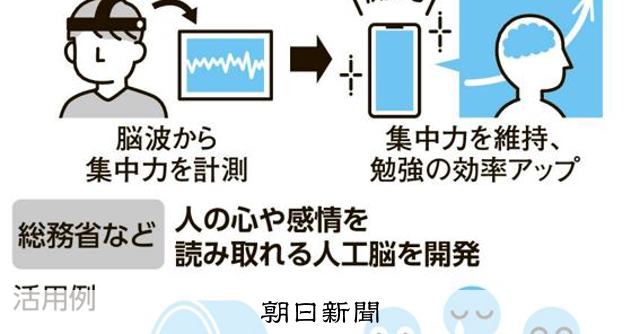
The Japanese government is making a significant commitment to brain science research with the ambitious goal of developing artificial intelligence capable of reading human thoughts. This initiative aims to leverage advancements in neuroscience to create AI technologies that can interpret brain activity. However, the project is not without its challenges, particularly concerning national security and ethical considerations. The potential for such technology to be misused raises serious questions about privacy and individual autonomy. Furthermore, establishing robust ethical guidelines and safeguards will be crucial to prevent potential negative consequences. The government's investment signifies a long-term vision for integrating brain-computer interfaces and advanced AI, but navigating these complex issues will be paramount to its success.
Japan's strategic investment in brain science for mind-reading AI highlights a global trend towards deeper integration of AI with human cognition. This pursuit, while promising significant advancements in fields like medicine and human-computer interaction, inherently introduces profound ethical and security dilemmas. The potential for misuse of such technology, whether for surveillance, manipulation, or involuntary data extraction, necessitates proactive and rigorous governance frameworks. Future developments will likely hinge on balancing innovation with robust privacy protections and establishing clear international norms to prevent an arms race in cognitive technologies. The long-term societal impact will depend on the ability to foster public trust and ensure equitable access to benefits while mitigating existential risks.
AI-generated to prompt reflection — not editorial opinion, not advice, not a statement of fact. How this works.