Japan Invests Millions in Namibian Rare Earths Project
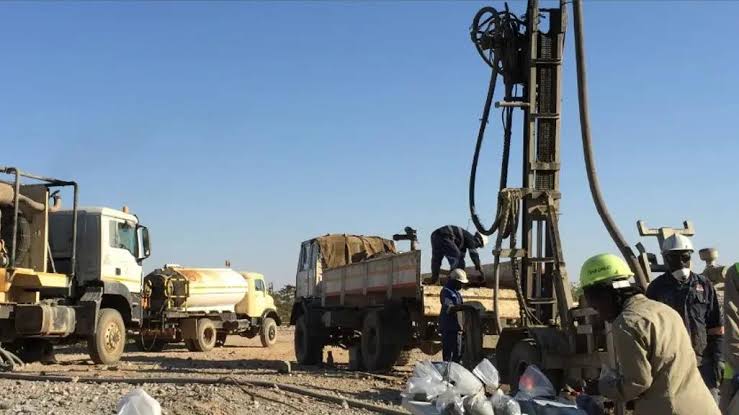
The Japan Organisation for Metals and Energy Security (Jogmec) is set to invest up to N$565 million in its rare earths project located in the Kunene region of Namibia. This significant investment is directed towards the Lofdal rare earth development project, which was initially established in 2020 through a collaboration between Jogmec and the Canadian mining company, Namibia Critical Minerals Inc (NCMI). The project aims to secure a stable supply of rare earth elements, which are crucial for various high-tech industries, including electronics and renewable energy technologies. The involvement of Toyota Tsusho Corporation, a member of the Toyota Group, further underscores the strategic importance of this venture for Japan's industrial supply chains. This initiative reflects Japan's broader strategy to diversify its sources of critical minerals and reduce reliance on single suppliers. The Kunene region's mineral wealth makes it a key area for such strategic resource development. The investment is expected to contribute to local economic development and job creation in Namibia, while simultaneously bolstering Japan's access to essential raw materials.
This investment highlights a global trend of resource-rich nations and technology-dependent countries forging strategic partnerships to secure critical mineral supply chains. Japan's significant capital injection into the Lofdal project demonstrates its proactive approach to mitigating geopolitical risks and ensuring access to materials vital for its advanced manufacturing and green technology sectors. The collaboration with Namibia Critical Minerals Inc. and potential involvement of entities like Toyota Tsusho Corporation suggest a multifaceted strategy combining national strategic interests with private sector capabilities. Such ventures, while crucial for economic and technological advancement, also necessitate careful consideration of environmental stewardship and equitable benefit-sharing with local communities to ensure long-term sustainability and social license. The initiative's success will likely depend on navigating complex regulatory environments, technological challenges in extraction, and fluctuating global commodity markets over the next decade.
AI-generated to prompt reflection — not editorial opinion, not advice, not a statement of fact. How this works.