Japan Overhauls Intelligence Services in Largest Reform Since WWII
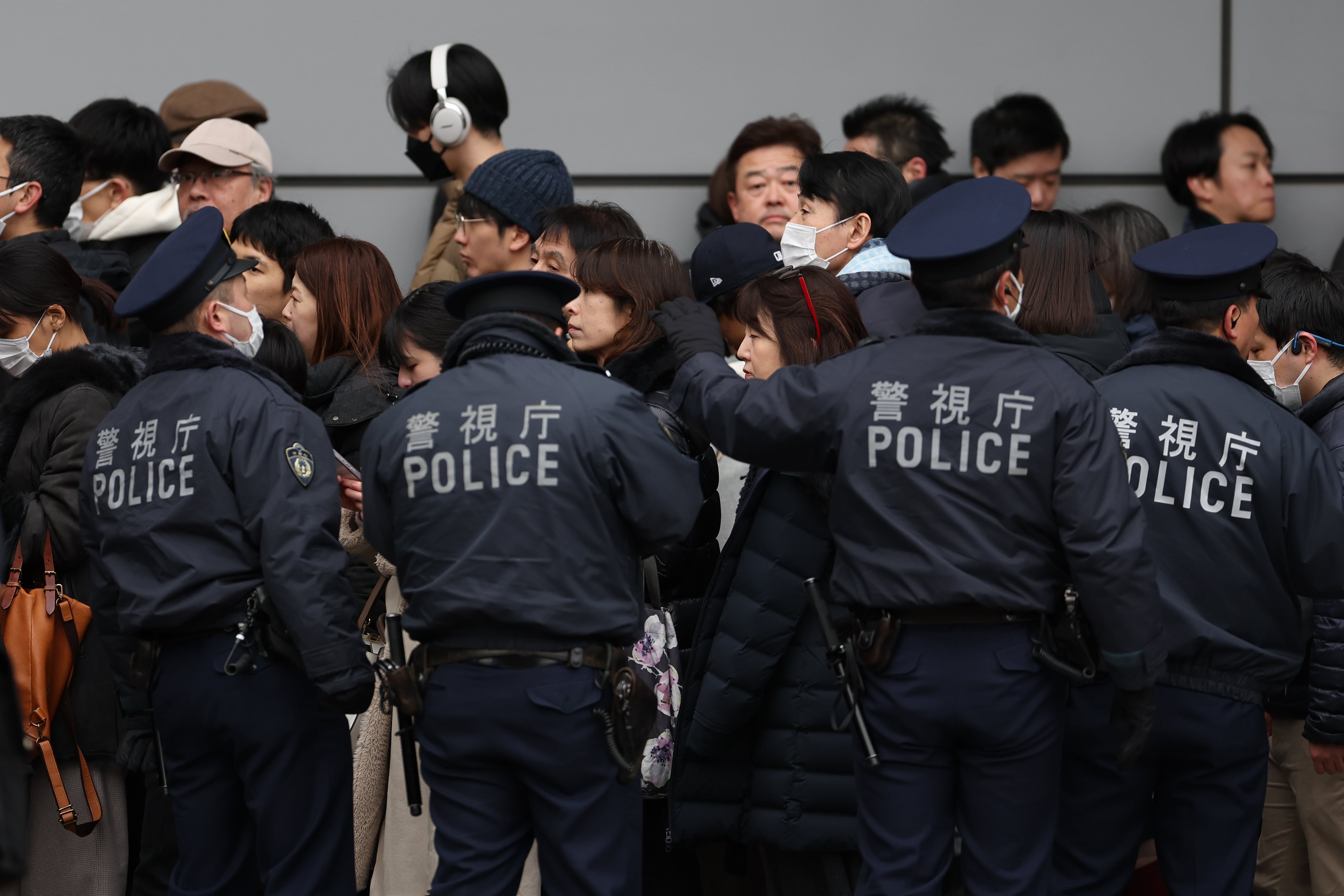
Japan is undertaking its most significant reorganization of its intelligence services since the end of World War II. The reform aims to centralize the management of intelligence operations. A key component of this new model is the establishment of a National Intelligence Council. This council will oversee and coordinate intelligence activities, bringing them under the direct authority of the Prime Minister. The move signifies a major shift in how Japan approaches national security and intelligence gathering.
This restructuring of Japan's intelligence apparatus reflects a proactive response to evolving geopolitical challenges and the increasing complexity of global security threats. By centralizing oversight under the Prime Minister and creating a dedicated National Intelligence Council, Japan appears to be prioritizing a more unified and agile intelligence strategy. This approach could enhance the nation's ability to anticipate and counter emerging risks, aligning its security posture with the demands of the current technological and geopolitical landscape. The long-term effectiveness will depend on the council's operational autonomy, inter-agency cooperation, and its capacity to adapt to future intelligence requirements.
AI-generated to prompt reflection — not editorial opinion, not advice, not a statement of fact. How this works.