Japan Overhauls Post-War Intelligence Services Amid Geopolitical Threats
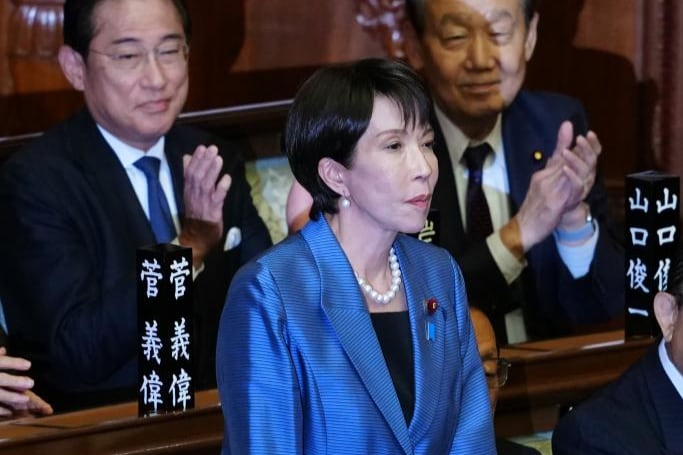
Japan's government, led by Sanae Takaichi, is enacting the first significant reform of its intelligence services since the post-war era. Leveraging a substantial parliamentary majority, the administration acknowledges the escalating geopolitical threats facing the nation. This legislative push aims to bolster Japan's intelligence capabilities in response to these evolving security challenges. The reforms are designed to modernize and strengthen the country's intelligence apparatus to better address contemporary risks. This move signifies a proactive stance by Japan in adapting its national security framework to a more complex international landscape. The government's commitment to this reform underscores the perceived gravity of the current geopolitical climate. It represents a strategic effort to enhance national security through improved intelligence gathering and analysis.
Japan's proactive intelligence reform, driven by perceived geopolitical threats and enabled by a strong parliamentary majority, reflects a strategic adaptation to a rapidly changing global security environment. This initiative aims to modernize national security infrastructure, moving beyond post-war paradigms to address contemporary challenges, including potential Russian espionage. The emphasis on intelligence reform signals a broader trend among nations to enhance their capabilities in information gathering and analysis as a crucial component of statecraft in an era of heightened geopolitical competition. This strategic pivot seeks to balance national security imperatives with the need for robust, modern intelligence operations, positioning Japan to navigate future uncertainties more effectively.
AI-generated to prompt reflection — not editorial opinion, not advice, not a statement of fact. How this works.