Japan Partially Eases Imperial Succession Law Amidst Shrinking Royal Family
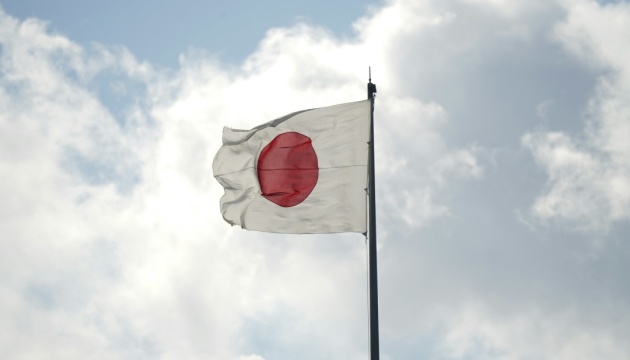
The Japanese Parliament has partially amended the Imperial House Law to address the declining number of members within the imperial family. This adjustment aims to manage the issue of a shrinking royal lineage while maintaining the long-standing tradition of male-only succession to the Chrysanthemum Throne. The decision comes despite considerable public support for the possibility of female emperors ascending to the throne. The revised law seeks to balance the preservation of historical succession rules with the practical challenges posed by the imperial family's diminishing size. This move reflects a delicate negotiation between tradition and the evolving demographic realities faced by Japan's monarchy. The specific details of the partial easing were not elaborated upon in the provided text, but the overarching goal is to ensure the continuity of the imperial institution.
Japan's partial amendment to its Imperial House Law highlights the tension between preserving dynastic continuity and adapting to demographic shifts. By allowing for some flexibility while retaining male-only succession, policymakers are navigating a complex path that acknowledges the shrinking imperial family's practical challenges. This approach, however, may perpetuate societal debates about gender equality and the monarchy's relevance in a modernizing nation. Looking ahead, the long-term sustainability of the imperial system could be influenced by evolving public opinion and the potential for future legal reforms that further address these societal expectations and demographic realities.
AI-generated to prompt reflection — not editorial opinion, not advice, not a statement of fact. How this works.