Japan PM's Sleep Habits Spark Debate Over Work Culture
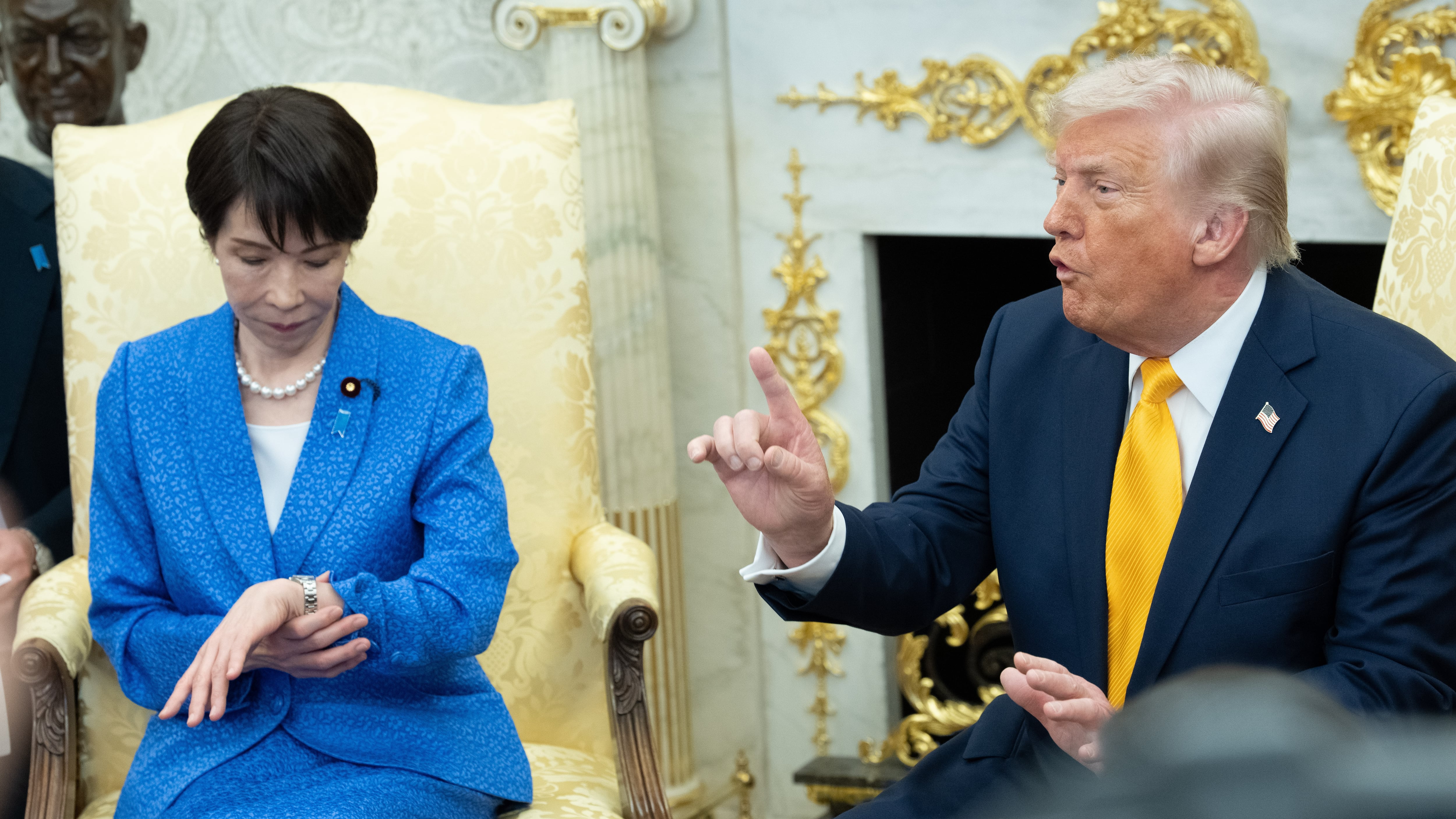
Japan's Prime Minister Sanae Takaichi has ignited controversy with her public declarations on social media about her minimal sleep habits, often stating she sleeps between 0 and 3 hours per day. Takaichi has also boasted about her lack of domestic skills, framing her extreme dedication to work as a badge of honor. This self-portrayal has drawn significant attention and criticism from internet users in Japan. Many online commentators perceive her emphasis on relentless work and her self-proclaimed domestic ineptitude as a deliberate strategy. They suggest it's a "smokescreen" intended to distract from her low approval ratings and to project an image of unwavering commitment to her duties. The debate highlights broader discussions in Japan about intense work culture and the personal lives of public figures.
The public discourse surrounding Prime Minister Takaichi's sleep schedule and domestic life in Japan raises questions about the performance metrics valued in political leadership. While dedication is often lauded, the emphasis on extreme work hours, potentially at the expense of personal well-being, could be analyzed through the lens of societal pressures and the sustainability of such a demanding public service model. The perception of these personal revelations as a "smokescreen" for political challenges suggests a public appetite for authenticity and substantive policy engagement over performative displays of work ethic. In the evolving landscape of governance, particularly with the rise of AI and automation, the focus may shift from sheer hours worked to efficiency, strategic thinking, and effective governance, prompting a re-evaluation of what constitutes effective leadership in the 21st century.
AI-generated to prompt reflection — not editorial opinion, not advice, not a statement of fact. How this works.