Japan Prefecture Uses Microchips to Manage Growing Bear Population
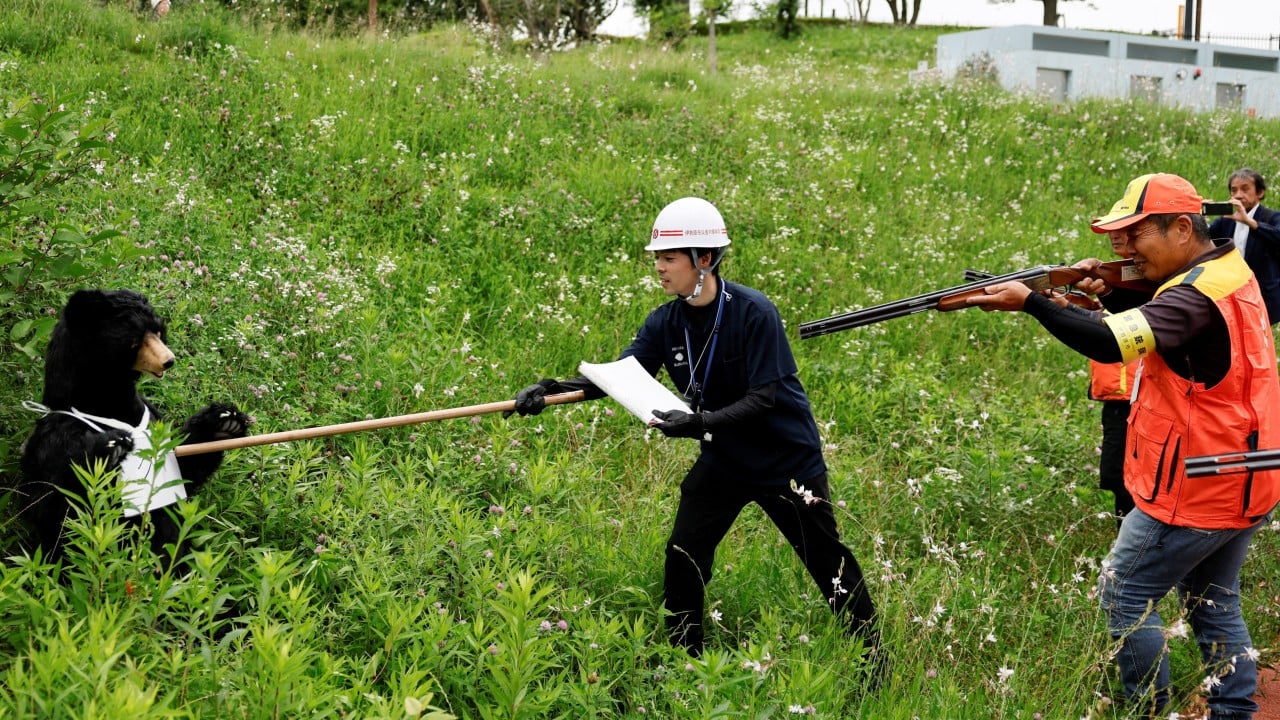
Hyogo Prefecture in western Japan is pioneering a novel approach to managing its increasing bear population by employing microchip technology. This initiative marks the first time in Japan that data from microchipped bears is being used to estimate population size and inform decisions regarding culling. The program aims to strike a balance between conserving bear populations and implementing effective population control measures. Rising bear sightings nationwide have intensified the demand for more robust and efficient countermeasures. Hyogo Prefecture's innovative strategy is attracting national attention as a potential model for other regions grappling with similar challenges. The microchipping process involves capturing bears, implanting them with identification chips, and then releasing them back into their habitats. The data collected from these tagged animals allows wildlife officials to track bear movements, estimate population density, and understand their distribution. This information is crucial for making informed decisions about where and when to implement population management strategies, including controlled culling if deemed necessary. The prefecture hopes this method will lead to more sustainable and humane bear management practices.
The implementation of microchip technology for wildlife population management in Hyogo Prefecture represents a data-driven approach to ecological challenges. By leveraging individual animal tracking, the prefecture seeks to move beyond generalized estimates towards more precise population assessments. This method could offer a more nuanced understanding of bear demographics, potentially leading to more targeted and effective conservation and control strategies. The system's success will hinge on the accuracy of data collection, the long-term efficacy of the microchips, and the ethical considerations surrounding population control decisions informed by such data. As human-wildlife conflict escalates globally, innovative, technologically-assisted management techniques like this may become increasingly important, prompting a re-evaluation of traditional wildlife governance frameworks.
AI-generated to prompt reflection — not editorial opinion, not advice, not a statement of fact. How this works.